
Colorado Fly Fishing Destinations: Best Rivers and Waters by Season
The best Colorado fly fishing destinations depend on when you travel, what kind of water you want to fish, and what current conditions look like when you arrive. Colorado gives anglers tailwaters, freestone rivers, high-country streams, alpine lakes, and larger Western rivers, but they do not all fish well at the same time.
A useful planning order is:
Season → Water Type → Region → Access → Current Conditions
That approach matters because runoff, reservoir releases, summer heat, drought, road conditions, and seasonal regulations can change a good plan quickly. The most famous river is not always the best choice for the week you are actually in Colorado.
Table of Contents
Colorado Fly Fishing Destinations: Quick Answer
For a first trip, the main Colorado fly fishing destinations worth comparing are the South Platte system, Arkansas River, Fryingpan and Roaring Fork, Gunnison and Taylor rivers, the Colorado River, and Rocky Mountain National Park or other high-country waters.
| Destination | Water Type | Broad Trip Style | Seasonal Role |
|---|---|---|---|
| South Platte | Tailwater-heavy system | Technical wade fishing | Strong option across multiple seasons |
| Arkansas River | Freestone river corridor | Wade and float fishing | Useful trip base outside difficult runoff or extreme heat |
| Fryingpan / Roaring Fork | Tailwater + freestone | Mixed wade/float trip | Flexible regional pairing |
| Gunnison / Taylor | Tailwater, freestone, reservoir options | Wade, float, regional trip | Strong summer and fall planning with seasonal alternatives |
| Colorado River | Large Western river | Wade and float | Broad seasonal opportunity, condition-dependent |
| RMNP / High Country | Streams and alpine lakes | Hike-in, small-water fishing | Primarily warmer-season planning |
These are planning roles, not guarantees. Before fishing, check the exact reach, current regulations, streamflow, weather, and any temporary closure.
How We Chose These Colorado Waters
The destinations below were selected for a mix of seasonal usefulness, trout opportunity, different water types, public-access planning, wade or float options, and their value as practical trip bases.
No single river wins every category. A technical tailwater may be perfect in winter but less appealing to someone who wants a relaxed float trip. A high-country lake can be ideal in midsummer but inaccessible or fishless at other times.
Colorado Fly Fishing Destinations: South Platte River
The South Platte is one of the most recognizable Colorado fly fishing destinations, but treating it as one fishery is a mistake. Its famous reaches differ in access, regulations, water character, and difficulty.
Cheesman Canyon
Cheesman Canyon is best approached as a technical tailwater destination.
The canyon setting and clear water can reward careful presentations, but it is not the easiest choice for someone who wants simple roadside access or forgiving beginner fishing.
Plan for:
- More deliberate presentations
- Walking and physical-access considerations
- Careful regulation checks
- A backup plan if conditions do not suit your trip
The important point is not that Cheesman is “better” than other South Platte water. It is that the fishing style and access experience are different.
Deckers
Deckers is another well-known South Platte option and can fit a Front Range day trip.
It is primarily a wade-oriented destination. For many visitors, its biggest advantage is accessibility relative to more remote water.
Before fishing, confirm the exact regulations for the reach you intend to use rather than applying one South Platte rule everywhere.
Eleven Mile Canyon
Eleven Mile Canyon provides another tailwater setting with canyon water and its own access and regulation considerations.
It can be a useful alternative when you want a South Platte trip but do not want to fish the same type of water as Deckers or Cheesman.
Check current access and rules before the trip because regulations can differ by reach.
Dream Stream
The Dream Stream area is often discussed as though it were interchangeable with the rest of the South Platte, but it should be treated as its own reach.
Special rules, fish movement, and current restrictions can affect trip planning. Check the current Colorado fishing regulations and CPW information before traveling.
The broader lesson is simple: “South Platte” is not a sufficient trip plan. Pick the exact section first.
Colorado Fly Fishing Destinations: Arkansas River
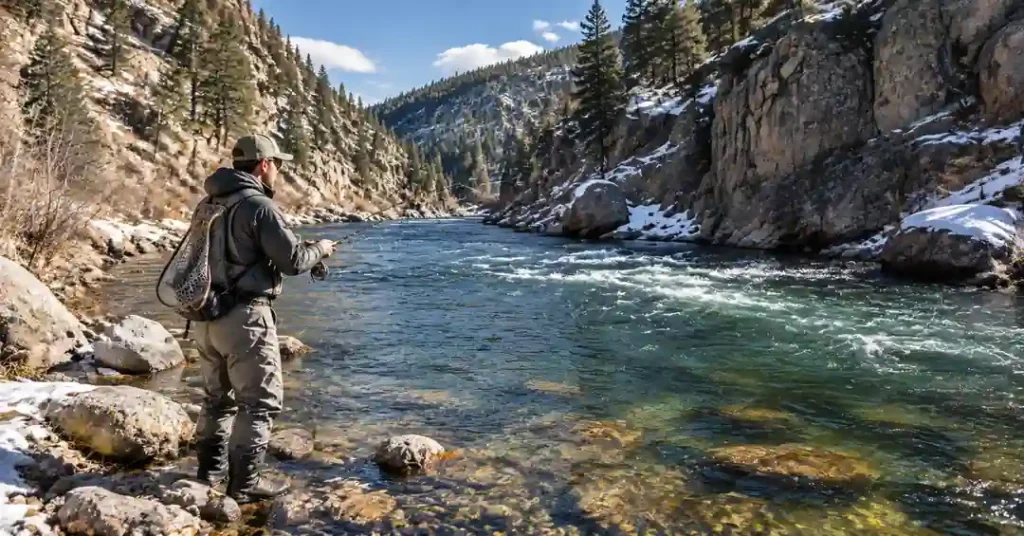
The Arkansas River stands out among Colorado fly fishing destinations because it offers a long river corridor rather than one short, concentrated tailwater.
Colorado Parks and Wildlife manages the Arkansas Headwaters Recreation Area across a 152-mile stretch of river and currently identifies 102 miles of Gold Medal trout water within that corridor.
That makes the Arkansas useful for anglers who want to build a multi-day trip around one broad region.
Why Choose the Arkansas?
The river can suit anglers who want:
- A freestone experience
- Multiple towns and trip bases
- Wade and float options
- A longer corridor with alternative sections
- A river that changes character as you move downstream
Unlike a short technical tailwater, the Arkansas encourages a regional approach. If one section does not fit current conditions or your preferred fishing style, another part of the corridor may.
Seasonal Considerations
Spring runoff is one of the biggest planning factors.
Snowmelt can raise flows and reduce safe wading opportunities. The timing changes from year to year, so avoid planning around a fixed runoff date.
Summer and fall can provide broad access, but summer heat and drought still require current checks. During warm, low-water periods, follow any CPW closure or fish-handling guidance.
Access Matters
The Arkansas passes public and private property.
A public river corridor does not mean every bank is public. Use official access information and posted boundaries rather than assuming any roadside pullout or visible bank is legal.
Colorado Fly Fishing Destinations: Fryingpan and Roaring Fork
The Fryingpan and Roaring Fork create one of the most useful paired Colorado fly fishing destinations because they give you two different river types within the same broader valley.
Fryingpan River
The Fryingpan is a tailwater-focused destination near Basalt.
Tailwater conditions can provide fishing opportunities when nearby freestone water is less predictable, but access still needs to be verified carefully.
Colorado Parks and Wildlife maintains specific State Wildlife Area access on the Frying Pan River, and posted rules take priority. Some SWA access is restricted to designated points and to fishing use.
This is a good example of why a river name and a public map pin are not enough. Verify the exact parcel or easement you intend to use.
Roaring Fork River
The Roaring Fork is a more varied river system and gives anglers both wade and float possibilities depending on the section.
CPW identifies brown and rainbow trout in the river and currently applies different special regulations to different reaches. Some sections are artificial-flies-only and catch-and-release, while other downstream sections have different rules.
That makes the Roaring Fork a strong regional option, but it also means you need to know exactly where you are.
Why Pair Them?
A trip based around the Roaring Fork Valley gives you flexibility.
If the freestone character of the Roaring Fork is not ideal on a particular day, the Fryingpan may offer a different type of water. That does not guarantee better fishing, but it gives you more than one realistic option without relocating across the state.
Gunnison, Taylor, and Blue Mesa
The Gunnison region is useful because it combines river fishing with tailwater and reservoir options.
Gunnison River
The Gunnison River changes significantly by section, so access and regulations should be checked at the exact location you plan to fish.
Some CPW-managed areas provide foot access, while other sections involve different land-management systems.
The region can support both wade- and float-oriented trips, but do not assume those options exist on every stretch.
Taylor River
The Taylor River gives anglers another cold-water option in the Gunnison area.
CPW’s Taylor River State Wildlife Area currently has specific access restrictions, including a closed section immediately below Taylor Dam. That is a useful reminder that even highly visible river sections can have no-fishing zones or parcel-specific rules.
Check the current map and posted regulations instead of relying on an older trip report.
Blue Mesa Reservoir
Blue Mesa is not a substitute for river fly fishing, but it adds a useful stillwater option to a regional trip.
CPW lists rainbow trout, brown trout, lake trout, and kokanee salmon among the reservoir’s common species. The fishing style and equipment can differ substantially from river fishing, so treat it as a separate option rather than a backup that requires no adjustment.
Its main planning value is flexibility: the Gunnison area can give you more than one water type when river conditions are not ideal.
Colorado Fly Fishing Destinations: Colorado River and Western Slope
The Colorado River belongs on any serious list of Colorado fly fishing destinations because it offers a large-river experience with both bank and float opportunities.
Colorado Parks and Wildlife currently describes Western Slope reaches below Gore Canyon as supporting brown and rainbow trout, with public access varying by location.
Why Choose the Colorado River?
The river can fit anglers looking for:
- Larger water
- Float fishing
- Long drifts
- Broad Western scenery
- Multiple access styles
- A different experience from small tailwaters
Some reaches are easier to approach by boat than by wading, and the river’s size means conditions can change the practical fishing approach quickly.
Regulations Vary by Stretch
The Colorado River has water-specific regulations.
CPW currently lists seasonal fishing closures around some tributary confluences along particular reaches. Those closures are a good example of why a broad statement such as “the Colorado River is open” can be misleading.
Check the exact stretch before fishing.
Heat and Drought
Large Western rivers can become vulnerable during low-flow, warm-water periods.
If CPW issues voluntary or mandatory restrictions, follow them. During warm summer conditions, current water temperature and streamflow matter more than a historical recommendation that says a river normally fishes well that month.
Colorado Fly Fishing Destinations: Rocky Mountain National Park and High-Country Lakes
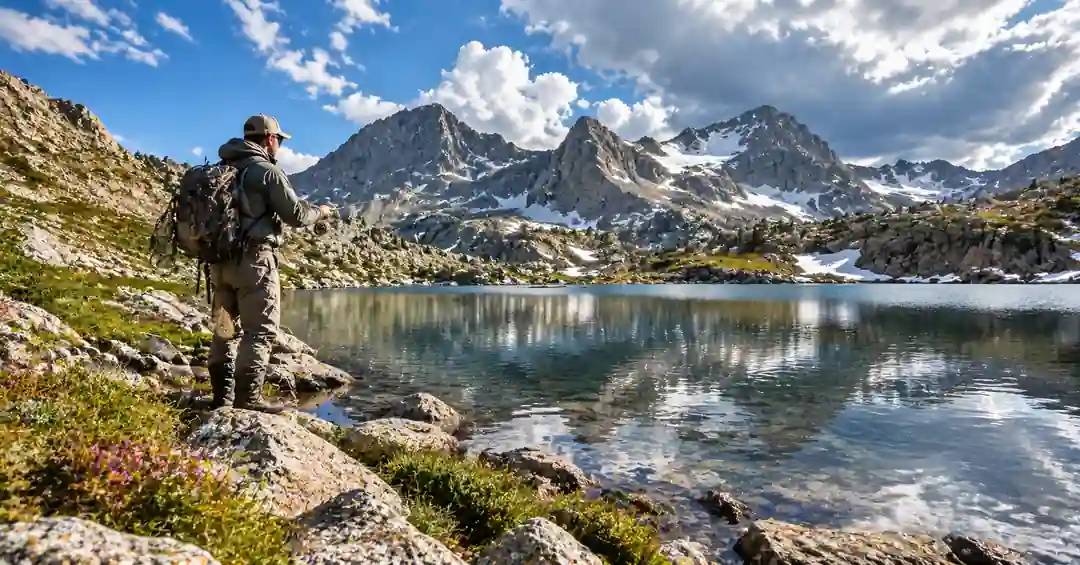
Rocky Mountain National Park and other high-country waters add a very different experience to the major river-based Colorado fly fishing destinations.
Instead of focusing on large trout rivers, these trips may involve:
- Hiking
- Smaller streams
- Alpine lakes
- Shorter casting distances
- Native cutthroat opportunities in appropriate waters
- Rapidly changing mountain weather
Rocky Mountain National Park
Rocky Mountain National Park allows fishing in many waters, but park rules differ from general Colorado regulations.
A valid Colorado fishing license is required for anglers age 16 and older. The park currently allows only artificial flies or lures in park waters, with additional catch-and-release, hook, possession, and closed-water rules depending on location.
The park also asks anglers to follow gear-disinfection guidance to reduce the spread of invasive organisms between waters.
Depending on where and when you enter the park, a timed-entry reservation may also be required, so check the current park entry system when planning the fishing day.
Not Every Alpine Lake Holds Trout
A beautiful lake on a map is not automatically a fishing destination.
The National Park Service notes that many of Rocky Mountain National Park’s high-altitude lakes do not have reproducing fish populations because of cold water and limited spawning habitat.
Research the specific water before hiking several miles with fishing gear.
High-Elevation Safety
High-country trips add risks that are less important on roadside tailwaters.
Watch for:
- Fast-changing weather
- Lightning
- Cold water
- Snowfields early in the season
- High elevation
- Long walks back to the vehicle
- Limited cell service
An alpine lake can be a smart summer alternative, but it requires more trip planning than simply choosing a cooler elevation on a map.
Colorado Fly Fishing Destinations by Season
The best Colorado fly fishing destinations change with the season because water type matters as much as location.
Winter
Tailwaters are the most logical starting point for many winter trips because controlled releases can maintain open water where freestone rivers may be icy or less practical.
Consider:
- South Platte tailwaters
- Fryingpan
- Other lower-elevation tailwaters where access remains open
Winter still requires attention to ice, snow-covered roads, cold-water safety, and shorter daylight.
Early Spring
Early spring can open more lower-elevation opportunities while high-country waters remain snowbound.
Tailwaters and some lower-elevation freestone sections can be useful starting points.
Weather can change rapidly, and rising temperatures can begin affecting snowmelt later in the season.
Runoff Period
Runoff is not one statewide date.
Snowpack, elevation, temperature, rainfall, and reservoir operations all influence timing.
During strong runoff, some freestone rivers may be high, off-color, or unsafe to wade. Tailwaters, reservoirs, and other lower-flow alternatives may become more practical.
Check actual streamflow rather than assuming last year’s dates will repeat.
Summer
Summer opens the widest geographic range.
High-country streams and lakes become more accessible, while major rivers can provide good opportunities when flows and temperatures are appropriate.
However, 2026 has highlighted the importance of drought and heat. Colorado Parks and Wildlife currently warns that low flows and warm water can stress cold-water fish and can lead to voluntary or mandatory closures.
A summer plan should therefore include at least one cooler-water or higher-elevation alternative.
Fall
Fall can provide strong geographic flexibility as temperatures cool.
Major rivers, tailwaters, and some high-country options may remain available, depending on weather.
But fall also brings spawning-related closures on certain waters. CPW currently lists seasonal closures on specific Colorado River tributary confluence areas and other state waters.
Check the exact reach before fishing, and avoid disturbing visibly spawning trout or walking through spawning gravel.
How to Plan a Colorado Fly Fishing Trip
Choosing between Colorado fly fishing destinations is easier when you make decisions in the right order.
1. Start With Your Travel Dates
Do not choose a famous river first and then force the season to fit it.
Your dates determine whether tailwater, freestone, high-country, or stillwater fishing makes the most sense.
2. Pick a Water Type
Choose among:
- Tailwater
- Freestone river
- High-country stream
- Alpine lake
- Reservoir
That decision narrows the map immediately.
3. Pick a Region
Examples include:
- South Platte / Front Range
- Arkansas Valley
- Roaring Fork Valley
- Gunnison region
- Western Slope / Colorado River
- Rocky Mountain National Park
4. Check Current Conditions
Before committing to a river, check:
- CPW closures
- Streamflow
- Water temperature
- Weather
- Road conditions
- Wildfire information
Historical seasonal patterns are useful for planning, but current conditions decide whether the trip still makes sense.
5. Verify Access
Use official maps and posted regulations.
Our guide to find legal fly fishing access near you explains how to separate a promising waterway from an actual legal access point.
6. Match the Water to Your Skill Level
Technical tailwaters, tight mountain streams, and large windy rivers create different casting problems.
If basic presentation is still difficult, spend time working to improve your basic fly cast before choosing a trip built around highly technical water.
7. Keep a Backup Water
A good Colorado trip plan should survive one poor river.
Pick at least one alternative that differs from your primary choice—for example, a tailwater backup for a freestone trip or a high-country option during warm summer conditions.
For first-time visitors, comparing Colorado fly fishing destinations by season and water type is more useful than choosing only by reputation.
Planning Colorado Fly Fishing Destinations: Access, Regulations, and Safety
Every trip to Colorado fly fishing destinations should include a final official-source check before you leave.
Fishing License
Colorado annual fishing licenses currently run from March 1 through March 31 of the following year. Youth age 15 and under can fish without purchasing a license under the general state framework.
Rocky Mountain National Park requires a valid Colorado fishing license for anglers age 16 and older and applies its own park-specific fishing regulations.
State Wildlife Areas
A valid hunting or fishing license or an SWA pass is generally required for people age 16 and older to enter most Colorado State Wildlife Areas.
Individual SWAs can also have additional restrictions, including designated access points, seasonal closures, or fishing-only access.
Check the property page and posted signs.
Regulations Are Reach-Specific
Never apply one river’s rule to its full length unless the current regulation actually says so.
South Platte, Roaring Fork, Colorado River, Gunnison, and other major systems can have different rules within relatively short distances.
Public Water Does Not Mean Public Bank
Colorado access can be complex.
Do not cross private land to reach water without permission. Use CPW’s Fishing Atlas, designated access, official land-management maps, and posted signs.
Check Water Temperature and Closures
Colorado Parks and Wildlife currently advises anglers during drought conditions to follow mandatory or voluntary closures and to move to another location when water temperature reaches 70°F or higher.
That is particularly relevant during hot, low-flow summer periods.
Wading Safety
A legal fishing reach is not automatically safe to wade.
Consider:
- Current speed
- Depth
- Slippery rocks
- Sudden reservoir releases
- Cold water
- Runoff
- Uneven footing
If conditions exceed your ability, fish from safer water or change destinations.
Mountain Weather
Lightning can develop quickly at high elevation.
For alpine trips, check the forecast, start early when appropriate, and have a route back below exposed terrain.
Clean, Drain, and Dry
Colorado encourages anglers to clean, drain, and dry gear between waters to help limit the spread of aquatic nuisance species.
This matters especially when moving between multiple rivers or lakes during the same trip.
If you are still deciding what flies to bring, our guide to choosing the right types of fly fishing flies covers the main categories without relying on one fixed Colorado hatch list.
FAQs About Colorado Fly Fishing Destinations
What Are the Best Colorado Fly Fishing Destinations for Beginners?
The Arkansas River, selected easier-access sections of the South Platte, parts of the Roaring Fork Valley, and guided trips on larger rivers can all work for beginners. The better choice depends on current flows, access, casting skill, and whether you want to wade or fish from a boat.
Where Is the Best Fly Fishing in Colorado in Summer?
Summer can open major rivers, high-country streams, and alpine lakes. Good starting regions include the Arkansas Valley, Gunnison area, Roaring Fork Valley, South Platte system, and Rocky Mountain high country. During hot or drought-affected periods, current water temperature and CPW closures should override historical recommendations.
Where Can You Fly Fish in Colorado in Winter?
Tailwaters are often the best place to start researching a winter trip. South Platte tailwaters and the Fryingpan are common examples. Ice, road conditions, water releases, and current regulations still need to be checked.
When Is Runoff Season in Colorado?
There is no fixed statewide runoff date. Timing changes with snowpack, elevation, temperature, rainfall, and reservoir operations. Check current stream gages and local official conditions for the watershed you plan to fish.
Do You Need a Fishing License to Fly Fish in Colorado?
In general, anglers age 16 and older need a Colorado fishing license. Annual licenses currently run from March 1 through March 31 of the following year. Additional property-access requirements can apply on State Wildlife Areas and other managed lands.
Can You Fly Fish in Rocky Mountain National Park?
Yes. A valid Colorado fishing license is required for anglers age 16 and older, and park-specific rules apply. The park currently restricts fishing to artificial flies or lures in park waters and maintains additional closed-water and catch-and-release regulations.
Final Colorado Fly Fishing Destinations Takeaway
The best Colorado fly fishing destinations are the ones that fit your season, preferred water type, access needs, skill level, and current conditions.
Start with your dates, decide between tailwater, freestone, or high-country water, choose a region, then verify the exact reach through Colorado Parks and Wildlife or the responsible land manager.
Most importantly, keep a backup destination. In Colorado, runoff, drought, heat, reservoir releases, road conditions, and seasonal closures can turn a strong plan into the wrong plan quickly.
Sources Used :
- Colorado Parks and Wildlife — Fishing — consulted for current 2026 drought guidance, temporary closure policy, water-temperature guidance, streamflow concerns, and aquatic nuisance species recommendations.
- Colorado Parks and Wildlife — Fishing Licenses and Dates — verified current annual-license dates and the general youth licensing rule.
- Colorado Parks and Wildlife — Where to Fish / Colorado Fishing Atlas — consulted for official access planning, special regulations, stream-gage information, and water-specific research.
- Colorado Parks and Wildlife — Arkansas Headwaters Recreation Area — verified the 152-mile recreation-area corridor and 102 miles of Gold Medal trout water.
- Colorado Parks and Wildlife — Roaring Fork River — verified current trout species information and section-specific artificial-fly, catch-and-release, and harvest regulations.
- Colorado Parks and Wildlife — Frying Pan River State Wildlife Area — consulted for current State Wildlife Area access requirements and designated-access restrictions.
- Colorado Parks and Wildlife — Taylor River State Wildlife Area — verified current Taylor River SWA access restrictions and the closed area immediately below Taylor Dam.
- Colorado Parks and Wildlife — Blue Mesa Reservoir — consulted for current listed species and stillwater planning context.
- Colorado Parks and Wildlife — Colorado River — verified trout species, access context, and current stretch-specific seasonal fishing closures around designated tributary confluences.
- Colorado Parks and Wildlife — South Platte River — consulted for the current official fishing-regulation resources applicable to South Platte planning.
- Colorado Parks and Wildlife — Chapter W-1 — Fishing Regulations — consulted for current water-specific closures and special regulations.
- National Park Service — Rocky Mountain National Park — Fishing — verified current license requirements, artificial-fly/lure rules, closed-water requirements, gear-disinfection guidance, and the fact that many high-altitude lakes do not support reproducing fish populations.
- National Park Service — Rocky Mountain National Park — Fishing in RMNP — consulted for current park fishing rules and timed-entry planning notice.