
Best Fly Fishing Destinations: Where to Go by Species and Season
The best fly fishing destinations are not the same for every angler. A trout-focused trip to Montana solves a different problem from a tarpon trip in the Florida Keys, a remote rainbow trout adventure in Alaska, or a winter escape to the Bahamas.
The easiest way to choose is to start with the fish you want to target and the dates you can travel. Then compare freshwater versus saltwater, how much guiding you are likely to need, and how complicated the trip is to organize.
This guide compares a focused group of destinations rather than trying to name every famous river on the planet. The goal is to help you build a realistic shortlist based on species, season, and trip style.
Table of Contents
Best Fly Fishing Destinations: Quick Comparison
Use this table as a planning shortcut. Seasonal windows are general travel guidance, not guarantees. Runoff, water temperature, storms, fish migrations, emergency restrictions, and local regulations can all change the picture.
| Destination | Main Species | Useful Planning Window | Water Type | Typical Trip Style | Planning Complexity |
|---|---|---|---|---|---|
| Montana / Yellowstone region | Cutthroat, rainbow, brown trout | Late spring through fall, with water-specific exceptions | Freshwater | DIY, guided wade, or float | Moderate |
| Bristol Bay, Alaska | Rainbow trout, salmon, Arctic char, Dolly Varden, grayling | June through September depending on target | Freshwater | Lodge or guide-heavy remote trip | High |
| Florida Keys | Tarpon, bonefish, permit | Spring through summer is especially useful for flats targets, with species-specific windows | Saltwater | Guide strongly helpful | Moderate to high |
| Taupō / Tongariro, New Zealand | Rainbow and brown trout | Year-round opportunities; winter/spring and summer offer different fisheries | Freshwater | DIY or guided | Moderate |
| Argentine Patagonia | Brown and rainbow trout | Generally November through May; verify the current season rules | Freshwater | DIY in selected areas or guided travel | High |
| The Bahamas | Bonefish, permit, tarpon | Flats fishing is possible across much of the year; match dates to species and island | Saltwater | DIY in some areas; guide valuable | Moderate to high |
| River Roe, Northern Ireland | Atlantic salmon, sea trout, brown trout | April 1 through October 20 under the current published fishery information | Freshwater | DIY with licence/permit requirements | Moderate |
No destination in the table is automatically better than the others. The right choice depends on what you want from the trip.
If your priority is a versatile Western trout vacation, Montana and the Yellowstone region make sense. If remote fishing and a mix of salmon and large rainbows are the goal, Bristol Bay is a different kind of trip. If sight-fishing on shallow flats is the main attraction, the Florida Keys or Bahamas belong on the shortlist.
How to Choose the Best Fly Fishing Destinations
Before comparing lodges, flights, or famous river names, narrow the trip with five questions.
Start With the Species
The target fish should eliminate destinations that do not match your main goal.
For trout, Montana, the Yellowstone region, Taupō, Tongariro, and Patagonia all offer meaningful options, but they differ dramatically in travel time and season.
For salmon plus rainbow trout, Bristol Bay offers a different experience from a European salmon river.
For tarpon, bonefish, and permit, look toward saltwater flats such as the Florida Keys and the Bahamas.
A destination can have several species, but your primary target should still guide the dates, equipment, and fishing style.
Match the Destination to Your Travel Dates
Calendar fit is one of the easiest ways to reduce the list of best fly fishing destinations.
A U.S. angler who can travel in July has access to many Western trout waters and Alaska. The same angler looking for a January trout trip can consider Southern Hemisphere fisheries such as New Zealand rather than forcing a northern destination into the wrong season.
Seasonal timing is not just about comfort. It can affect runoff, insect activity, spawning migrations, water temperature, river access, tropical weather, and legal seasons.
Treat every seasonal recommendation as a planning window. Recheck current conditions shortly before you book and again before departure.
Decide Between Freshwater and Saltwater
Freshwater trout and salmon travel usually involves rivers, lakes, wading, drift boats, and lighter tackle.
Saltwater flats fishing asks for different skills. You may be casting in wind, making quick presentations to moving fish, and using heavier rods, leaders, and flies.
If you have only fished trout, a guided day on the flats can shorten the learning curve considerably.
Compare DIY Access With Guide-Heavy Trips
Some best fly fishing destinations work well for independent anglers. Others become much easier with local help.
Montana offers a wide mix of public access and guiding options. Taupō and the Tongariro also provide substantial information for independent anglers.
Remote Bristol Bay travel is different. Transportation, river access, local logistics, and safety make lodges and professional guides a major part of many trips.
On tropical flats, a guide can help with boat access, tides, fish spotting, local regulations, and the speed of saltwater presentations.
If you prefer independent fishing, FlyFishingScout’s guide to finding fly fishing spots near you provides a useful framework for checking access, species, conditions, rules, and skill fit before deciding that you need a destination trip.
Check Current Rules Before Booking
Destination regulations can be much more detailed than a general travel article can cover.
Check the exact water, not only the state, province, country, or park.
Rules can cover:
- season dates;
- fishing hours;
- species-specific harvest;
- mandatory catch-and-release;
- barbless hooks;
- fly-only areas;
- licences and permits;
- guide requirements;
- emergency closures;
- invasive-species rules.
This is especially important when booking far in advance. Regulations and emergency restrictions can change between the day you reserve a trip and the day you arrive.
Best Fly Fishing Destinations for Trout
Trout anglers have the widest range of choices in this guide. The main decision is not simply where trout exist, but what kind of trout trip you want.
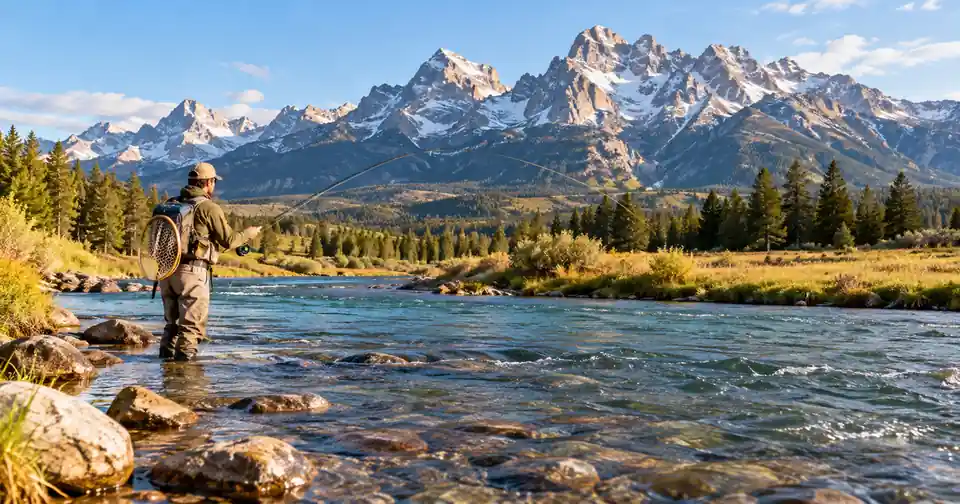
Montana and the Yellowstone Region
Among the best fly fishing destinations for Western trout, Montana and the greater Yellowstone area stand out for anglers who want variety.
Depending on the exact itinerary, a trip can include freestone rivers, spring-creek-style fishing, larger floatable water, smaller tributaries, and fisheries with different trout species.
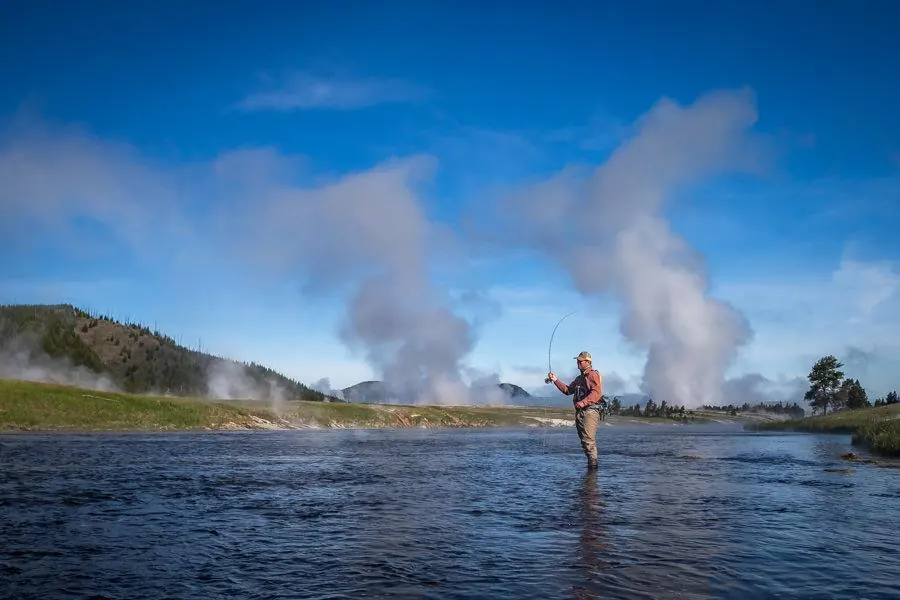
Yellowstone National Park adds cutthroat-focused opportunities and distinctive fishery rules. The park’s standard season generally runs from the Saturday immediately before Memorial Day weekend through October 31, but several waters have different opening dates and some sections are open longer.
That variation is exactly why you should plan around a specific river rather than saying, “I’m fishing Yellowstone in summer.”
Water temperature also matters. During summer 2026, Yellowstone temporarily restricted or closed several rivers because of low flows and high temperatures. The remaining restrictions on the Firehole, Madison, and Gibbon were lifted effective September 4, 2026 after conditions improved.
That history makes a useful planning point: a famous destination can still require a backup water or alternate fishing hours.
Choose this destination if: you want multiple trout fisheries, a mix of guided and independent options, and the ability to build a trip around several types of Western water.
Main planning catch: runoff, summer water temperatures, park-specific rules, and water-specific regulations can change which rivers make sense during your dates.
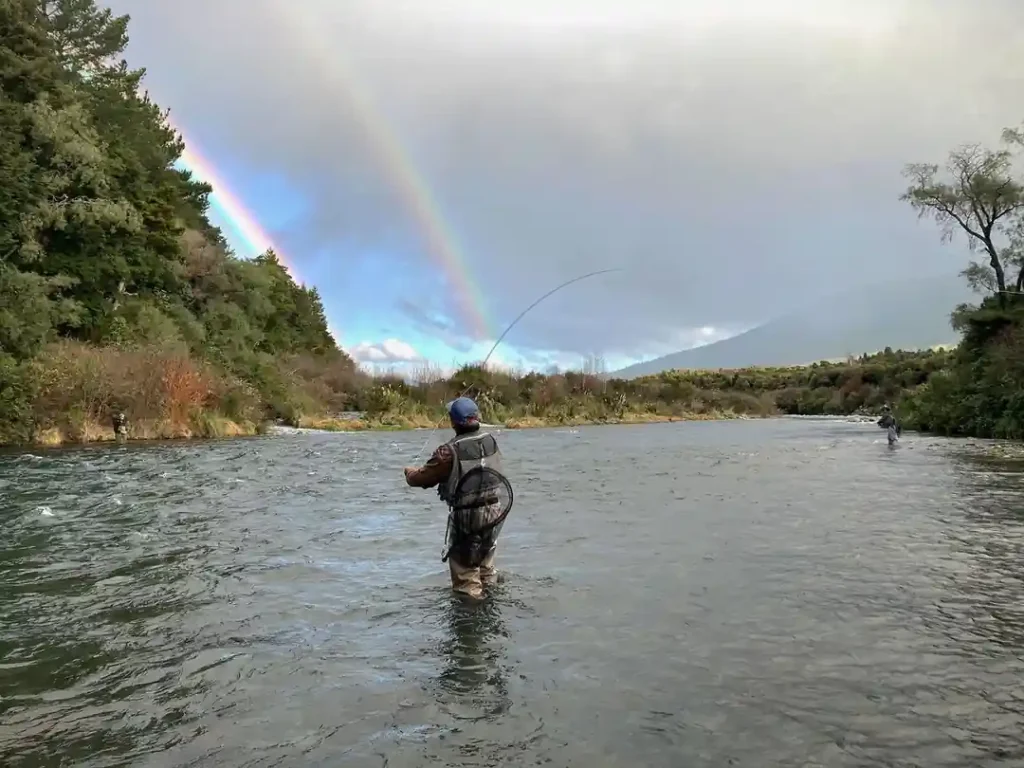
Taupō and the Tongariro River, New Zealand
Among the best fly fishing destinations for Southern Hemisphere trout, the Taupō fishery is a strong option for rainbow and brown trout.
Lake Taupō offers year-round trout fishing, while the Tongariro River provides a river fishery with different seasonal personalities.
Winter and spring attract anglers targeting spawning runs of rainbow trout moving through the river. Summer creates a different experience, including dry-fly opportunities and brown trout feeding on terrestrial insects.
The main Tongariro River season runs from July 1 through June 30, but some upper and wilderness sections have more limited seasons. That means “the Tongariro is open” is not enough information for trip planning; you need to check the section you intend to fish.
The 2026/27 Taupō fishing season began July 1, 2026, and current regulations include changes that took effect at the start of that season.
Choose this destination if: you want wild rainbow and brown trout, a fishery with meaningful year-round opportunities, and travel dates that may not fit the main Northern Hemisphere trout season.
Main planning catch: individual river sections can have different open seasons, and a Taupō licence is part of the trip planning.
Argentine Patagonia
Argentine Patagonia belongs on many shortlists of best fly fishing destinations for anglers who want a Southern Hemisphere trout trip built around rivers, lakes, open landscapes, and longer-distance travel.
Brown and rainbow trout are central targets across many Patagonian fisheries.
Argentina’s National Parks guidance describes the fishing season in Patagonia’s national parks generally as running from November to May, but anglers should not use that broad window as a substitute for current rules.
At the time of this article’s September 2026 update, the most recent national Patagonian continental sport-fishing regulation located through the official national regulatory system applies to the 2025/26 season. The current 2026/27 rules should therefore be verified before booking or fishing rather than inferred from the previous season.
This is also a destination where hiring a guide can add substantial value when you are unfamiliar with local access, language, river conditions, and regulations.
Choose this destination if: you want a dedicated international trout vacation during the Southern Hemisphere warm season and are comfortable with more travel planning.
Main planning catch: do not book around last season’s regulatory details. Confirm the current provincial and national-park rules for the exact waters on your itinerary.
Best Fly Fishing Destinations for Salmon and Big Rainbows
Some anglers want a trip built around migratory salmon, large resident rainbows, or both. Those goals can lead to very different destinations.
Bristol Bay, Alaska
Bristol Bay is one of the best fly fishing destinations to consider when remote travel and an unusually broad mix of sport fish are part of the goal.
Alaska Department of Fish and Game lists all five Pacific salmon species in the region along with rainbow trout, Arctic char, Dolly Varden, Arctic grayling, pike, and lake trout.
The useful travel window depends on the fish you want.
King salmon opportunities in several well-known Bristol Bay systems traditionally center on mid-June through late July, while sockeye, coho, resident rainbow trout, char, and other targets create additional summer and early-fall options.
The 2026 fishing season also demonstrates why Alaska trips require current regulation checks. ADF&G issued Bristol Bay changes and emergency orders affecting specific drainages and salmon fisheries.
For fly anglers focused on rainbow trout, timing can also interact with salmon activity because salmon migrations and spawning influence food availability in the rivers.
Bristol Bay is not simply a “pick a river and drive there” destination. Many trips involve small aircraft, boats, remote lodges, guides, or carefully planned access.
Choose this destination if: you want remote wilderness fishing, rainbow trout plus salmon possibilities, and are comfortable building the trip around professional logistics.
Main planning catch: regulations and emergency orders are drainage-specific and can change in season. Check ADF&G immediately before the trip.
River Roe, Northern Ireland
The River Roe offers a different interpretation of the best fly fishing destinations for salmon and sea-trout anglers.
The official Northern Ireland fishery information lists brown trout, salmon, and sea trout, with the season currently shown as April 1 through October 20.
The River Roe page also notes that salmon and sea trout can be present from May onward under suitable conditions.
Licence and permit requirements apply, and the current official page states that angling on the River Roe is restricted to catch-and-release only following the change introduced in September 2025.
This destination works better as a focused river trip than as a substitute for Alaska. The experience, species mix, access, scale, and fishing methods are different.
FlyFishingScout already has a dedicated guide to fly fishing the River Roe for readers who want deeper information about access, permits, seasons, and tactics.
Choose this destination if: you want an Atlantic salmon and sea-trout river experience in Northern Ireland with a clearly defined fishery.
Main planning catch: verify the current Loughs Agency/DAERA licence, permit, and catch-and-release rules before fishing.
Best Fly Fishing Destinations for Saltwater Species
Saltwater fly fishing changes the trip completely. Instead of planning around trout hatches and river flows, you may be watching tides, wind, water clarity, tropical weather, and moving fish on shallow flats.
Florida Keys
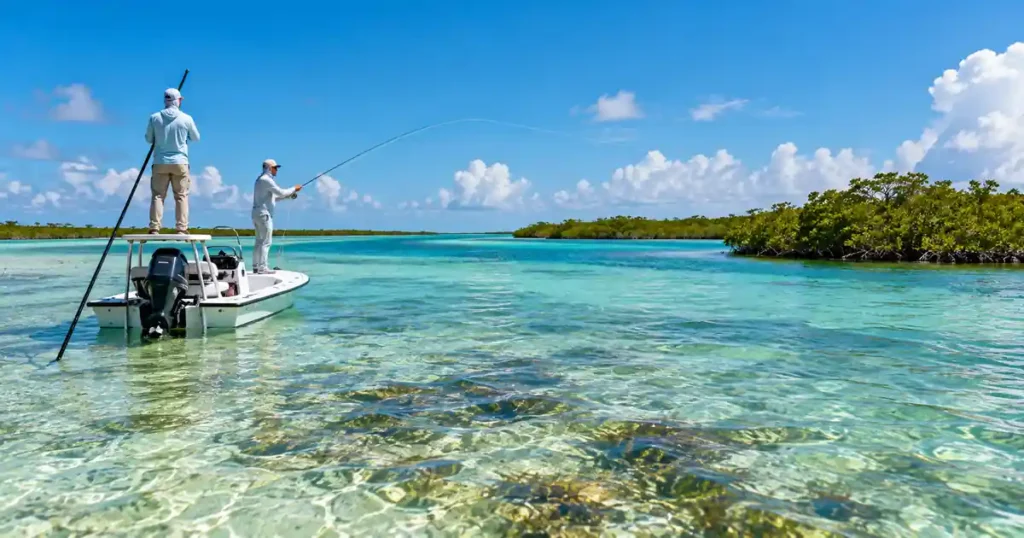
The Florida Keys are among the best fly fishing destinations to consider for U.S.-based anglers seeking tarpon, bonefish, permit, and other saltwater species.
The seasonal window depends on the target. Florida Keys tourism information lists tarpon most strongly from March through August, bonefish from May through October, and permit across a broader March-through-November period.
Those are planning windows, not guarantees. Weather and fish movement can shift the actual day-to-day fishing.
Tarpon also come with important handling rules. Florida currently treats tarpon as a catch-and-release-only fishery except for tightly controlled record pursuits involving a tarpon tag. Tarpon over 40 inches must remain in the water unless the record exception applies.
For anglers new to flats fishing, a guide is especially useful. The ability to see fish, interpret tides, position a skiff, and deliver a fast accurate cast can matter as much as fly selection.
Choose this destination if: tarpon is high on your list, you want a U.S.-based saltwater trip, or you want access to multiple flats species in one region.
Main planning catch: match your dates to the target species, verify current FWC regulations, and plan for wind and rapidly changing saltwater conditions.
The Bahamas
The Bahamas belongs on a shortlist of best fly fishing destinations for anglers whose main goal is shallow-water bonefish.
Bonefish is the signature fly target, but permit and tarpon also appear in the flats fishery.
The islands create many possible trip styles. Some anglers stay at dedicated fishing lodges, some hire independent guides, and some combine fishing with a broader vacation.
Current Bahamas guidance requires anglers over age 12 to hold a licence to fish the flats. The rules also state that a certified Bahamian guide must be used when two or more anglers fish the flats by vessel, and only Bahamian-registered vessels are permitted on the flats.
That makes the legal and guide-planning side of the trip important before you arrive.
The Bahamas tourism fishing chart also shows that the best species timing is not identical for bonefish, permit, and tarpon. Choose your island and dates around the fish that matters most rather than treating the entire country as one uniform fishery.
Choose this destination if: you want a bonefish-centered flats trip, clear shallow-water sight fishing, or a fishing vacation that can also work for non-angling travel companions.
Main planning catch: flats licensing, vessel rules, guide requirements, weather, and island-specific logistics need to be sorted out before the fishing day.
Best Fly Fishing Destinations by Season
Season is one of the fastest ways to turn a long list of best fly fishing destinations into a manageable shortlist.
Winter
For a Northern Hemisphere angler comparing the best fly fishing destinations, winter opens two useful directions when cold trout water limits options at home.
The Bahamas can provide flats opportunities, particularly for anglers focused on bonefish.
New Zealand is in its summer season, making Taupō and the Tongariro appealing for anglers who want trout and dry-fly opportunities while much of North America is in winter.
Argentine Patagonia is another Southern Hemisphere trout option during this part of the year, subject to current regulations for the exact fishery.
Spring
Spring expands the list of best fly fishing destinations because both saltwater and freshwater opportunities begin to overlap.
The Florida Keys begin moving into an important tarpon period, and permit and bonefish can also become part of the planning.
Western U.S. trout fishing can be productive, but runoff timing matters. A trip booked around a famous Montana river can still require flexibility if snowmelt changes water conditions.
Yellowstone’s general fishing season opens later in spring, with water-specific exceptions.
Summer
Summer creates one of the widest selections of best fly fishing destinations in the Northern Hemisphere.
Bristol Bay is active for multiple salmon species and resident fish, although exact target timing varies.
Montana and Yellowstone offer broad trout opportunities, but warm-water restrictions are possible during hot, low-flow periods.
The Florida Keys remain relevant for tarpon and other flats species, although heat, storms, and seasonal weather should become part of the planning.
River Roe anglers can also target salmon, sea trout, and brown trout during the open season.
Fall
Fall can reshape the best fly fishing destinations shortlist for anglers who want fewer midsummer heat concerns in parts of the U.S.
Western trout fisheries remain options where regulations and conditions allow.
Bristol Bay timing becomes increasingly target-specific as the season progresses.
The River Roe remains open into October under the current published season.
Meanwhile, anglers planning a later fall trip can begin looking toward the approaching Patagonian warm-season fishery.
The important point is not to memorize one global calendar. Use your available month to identify two or three destinations, then verify the current fishery conditions.
U.S. vs International Fly Fishing Trips
Once you have narrowed the best fly fishing destinations by species and season, decide how much travel complexity you actually want.
Travel Time and Cost Complexity
A domestic destination can reduce flight connections, customs requirements, and equipment logistics.
International travel can add:
- passport requirements;
- longer flights;
- baggage planning;
- currency considerations;
- local transport;
- language differences;
- additional insurance questions.
That extra work can be worthwhile when the destination gives you a fishery or season you cannot easily replicate at home.
Licences and Regulations
Never assume a licence works across an entire region.
Yellowstone National Park has its own rules.
The Taupō fishery has its own licence system.
Patagonian rules can involve national parks and provincial authorities.
The Bahamas has specific flats rules.
Northern Ireland’s River Roe involves licence and permit requirements.
The legal planning deserves the same attention as the flight.
Guides and Local Knowledge
Guides can add value anywhere, but their importance changes by destination.
A confident trout angler may be comfortable fishing some Montana or Taupō water independently after researching legal access.
Bristol Bay logistics can make professional support far more important.
In the Florida Keys and Bahamas, a guide can contribute boat access, fish spotting, local knowledge, and saltwater-specific instruction.
Gear Transport
Do not build your packing list until you know what the lodge or guide provides.
Remote lodges may have specific luggage limits.
Saltwater trips may require heavier rods and larger reels than your trout setup.
A general trout vacation can be much simpler.
If you are still building the basics, FlyFishingScout’s fly fishing gear for beginners guide explains the core equipment before you adapt it to a destination.
Northern vs Southern Hemisphere Timing
This is one of the most useful travel advantages for fly anglers.
When Northern Hemisphere trout fishing is limited by winter, New Zealand and Patagonia are moving through their warmer-season fisheries.
That does not mean every Southern Hemisphere river is automatically in perfect condition. It simply gives you another seasonal option when building a calendar.
Plan a Trip to the Best Fly Fishing Destinations
Once you have selected two or three candidate best fly fishing destinations, shift from inspiration to verification.
Verify the Fishery Before Booking
Confirm:
- target species;
- legal fishing season;
- required licence;
- permits;
- guide or vessel rules;
- access;
- expected fishing style.
For a destination with multiple rivers, verify the exact water you expect to fish.
Check Current Conditions Near Departure
Do not rely on a six-month-old fishing report.
Near departure, recheck:
- river flow;
- water temperature;
- runoff;
- drought;
- storms;
- tropical weather;
- emergency closures;
- wildfire or road access where relevant.
The 2026 Yellowstone closures are a clear example of why this matters. The legal and responsible fishing window changed during summer and changed again as water cooled.
Alaska emergency orders show the same principle from a regulatory perspective.
Ask What a Guide or Lodge Provides
Before packing, ask whether the operator supplies:
- rods;
- reels;
- flies;
- leaders and tippet;
- waders;
- boots;
- rain gear;
- lunch and water;
- transportation;
- airport transfers.
That can prevent unnecessary gear purchases and airline baggage.
Build a Backup Plan
A good destination itinerary needs a Plan B.
That could mean:
- another river;
- a lake instead of a river;
- morning fishing instead of afternoon fishing;
- another species;
- another section of the fishery;
- a weather day.
A backup plan is especially important for trips built around runoff, tropical weather, warm-water restrictions, or migratory fish.
Pack for the Water, Not the Destination’s Reputation
Do not pack a “Montana setup” or an “Alaska setup” based only on the name.
Ask what water you will fish and how.
A small trout stream, a large windy river, a remote salmon river, and a saltwater flat require different equipment even if all four destinations are famous.
That same decision-first approach is what makes the best fly fishing destinations useful: the destination should fit the fishing you want, not simply appear on someone else’s bucket list.
Best Fly Fishing Destinations FAQs
What Is a Good U.S. Destination for Trout Fly Fishing?
Montana and the Yellowstone region are strong candidates for anglers who want multiple trout waters and a mix of DIY and guided possibilities.
The better question is which river fits your dates. Runoff, water temperatures, park regulations, access, and temporary restrictions can change the best choice within the region.
Where Can You Fly Fish for Tarpon and Bonefish?
The Florida Keys and Bahamas both offer saltwater fly opportunities involving tarpon and bonefish.
The Florida Keys are convenient for U.S. travelers and have a strong tarpon fishery. The Bahamas is especially well known for bonefish flats.
Check species timing and current rules before choosing between them.
Which Fly Fishing Destinations Work for Winter Travel?
For Northern Hemisphere winter travel, the Bahamas provides a saltwater option, while New Zealand and Patagonia offer Southern Hemisphere trout opportunities.
The right destination depends on whether you want flats fishing or freshwater trout.
Is Alaska Better for Trout or Salmon Trips?
Bristol Bay can support trips focused on either, but timing matters.
The region has rainbow trout and all five Pacific salmon species, along with char, Dolly Varden, and grayling. Choose dates based on the primary target rather than trying to maximize every species in one trip.
When Is New Zealand Trout Season?
The Taupō fishery provides year-round opportunities, but individual waters and river sections can have their own open seasons.
The main Tongariro River is listed for July 1 through June 30, while some upper sections have shorter seasons.
Always check the exact water before fishing.
Do You Need a Guide for an International Fly-Fishing Trip?
Not always.
Experienced anglers can fish some international waters independently when legal access and regulations are clear.
A guide becomes more valuable when access is difficult, the fishing style is unfamiliar, transportation is complicated, or local knowledge has a major effect on finding fish.
The best fly fishing destinations are ultimately the ones that match your target species, available travel dates, preferred fishing style, and tolerance for trip complexity.
Start with the fish. Match it to the season. Decide whether you want freshwater or saltwater, then compare access and guide requirements.
Montana, Bristol Bay, the Florida Keys, Taupō, Patagonia, the Bahamas, and the River Roe all offer meaningful fly-fishing trips, but they solve different travel goals.
Choose the destination because it fits your trip—not simply because it is famous.
Sources Used
The National Park Service’s Yellowstone National Park Fishing Regulations and its current Yellowstone fishing laws and season information were used to verify season dates, water-specific exceptions, fishing hours, tackle requirements, and the fact that individual areas can operate under different rules.
The National Park Service’s September 2026 Yellowstone fishing restriction update was used to verify that the remaining Firehole, Madison, and Gibbon restrictions were lifted effective September 4, 2026 after cooler conditions returned, while confirming that temporary restrictions can be reintroduced if conditions require them.
The Alaska Department of Fish and Game’s 2026 Southwest Alaska Sport Fishing Regulations was used to verify the current Bristol Bay regulatory framework and the requirement to check Emergency Orders in addition to the published booklet. The department’s Bristol Bay fishing information was used to verify the regional species mix and general king-salmon timing.
The Alaska Department of Fish and Game’s 2026 Bristol Bay Emergency Orders and updates were used to verify that regulations can change in season for individual drainages and fisheries.
The Florida Fish and Wildlife Conservation Commission’s current recreational tarpon regulations was used to verify catch-and-release requirements, the rule that tarpon over 40 inches generally remain in the water, and current handling guidance.
The Florida Keys tourism authority’s Florida Keys Saltwater Sport Fish guide was used to cross-check the general seasonal planning windows for tarpon, bonefish, and permit.
New Zealand’s Department of Conservation Taupō Trout Fishery information was used to verify that the fishery offers year-round opportunities and that the 2026/27 season began July 1, 2026. The DOC Tongariro River fishery guide was used to verify section-specific fishing seasons and the seasonal differences between winter spawning-rainbow fishing and summer trout opportunities.
The New Zealand Department of Conservation’s 2026 Taupō regulation changes was used to confirm that new regulations took effect at the start of the 2026/27 season.
Argentina’s National Parks guidance on sport fishing in national parks was used to verify the broad November-to-May planning window for Patagonia’s national-park fisheries. The official 2025/26 Patagonian continental sport-fishing regulation was also reviewed. Because that regulation applies to 2025/26, the article deliberately does not present its detailed rules as the current 2026/27 regulations.
The official Bahamas tourism Fishing License FAQ was used to verify current flats-licence requirements, guide requirements when two or more anglers fish the flats by vessel, Bahamian-vessel rules, and the species covered by the flats regulations.
The official Bahamas tourism guide to fishing and bonefishing in The Bahamas was used to verify bonefish, tarpon, and permit as primary fly-fishing targets and to cross-check destination planning guidance.
Northern Ireland’s Department of Agriculture, Environment and Rural Affairs River Roe fishery information was used to verify target species, the April 1–October 20 published season, licence and permit requirements, and the current catch-and-release notice.