
fishing fly: Identify Its Type, Size and Intended Use
To identify a fishing fly, start with the job it appears designed to do, then record what you can verify about the hook, the weight and the materials. If a fly came out of an unmarked box, you can often tell enough to decide how to try it or ask for a replacement. A clear photo and a few notes are more useful than a confident guess at a pattern name.
Table of Contents
Fishing Fly Identification: Look at the Profile First
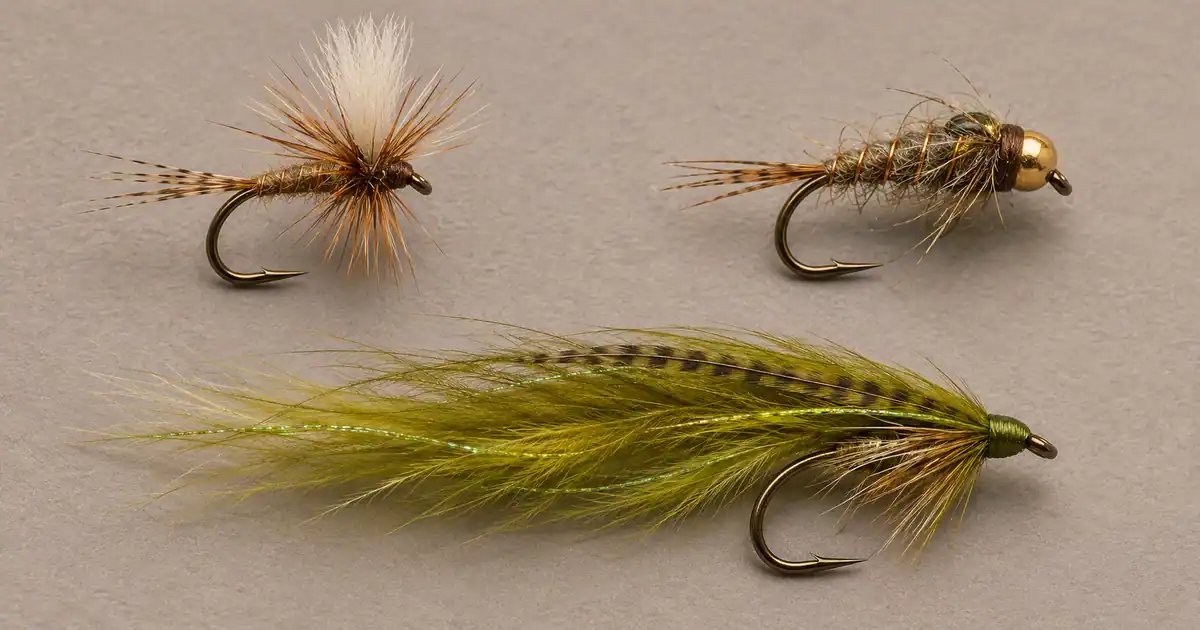
Put the fly on a plain background and view it from the side. Then look down from above. Note where the bulk sits on the hook, whether there is a bead or cone near the eye, and whether the tail extends far past the bend. Use the visible features to form a tentative identification. The Pennsylvania Fish and Boat Commission’s fly fishing guide is a starting point for the main categories.
| What you see | Useful first hypothesis | What to verify |
|---|---|---|
| Upright wing or stiff hackle around a small body | A dry fly meant for the surface | The intended position. Some surface patterns sit partly in the film |
| Slender body, short tail and a bead near the eye | A subsurface nymph or pupa-style pattern | Hook size, bead material and any extra weight under the body |
| Soft swept fibers around a compact body | A wet fly or emerger-style pattern | How the maker expects it to sit or move |
| Long mobile tail or wing and an elongated profile | A streamer that may be stripped or swung | Overall length, head weighting and line requirements |
A fishing fly can suggest a minnow, leech or other food as well as an insect. Look for multiple details before assigning a category. Foam in a fly suggests buoyancy, for example, but the other materials and intended presentation matter. A long fly can be unweighted. A small fly can carry a dense bead. If the casting system is the point of confusion, the fly fishing lure guide explains the main terms.
Affiliate disclosure: As an Amazon Associate, we earn from qualifying purchases. FlyFishingScout may earn a commission on qualifying purchases at no extra cost to you.
Find a reference for unfamiliar flies 📘 The Orvis Fly-Fishing Guide, Revised — Tom Rosenbauer’s illustrated guide explains fly selection, tackle and presentation. Use it to narrow down a fly’s likely role before trying to match an exact pattern. Check current price ➜
Fishing Fly Labels: Separate Type, Pattern and Size
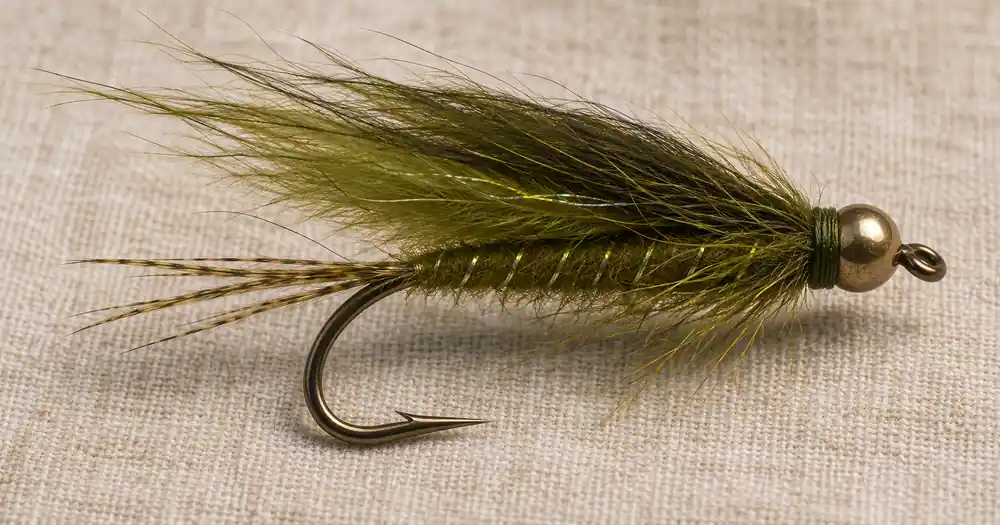
Read a label such as “Black Woolly Bugger, #8, bead head” in pieces. Woolly Bugger is the pattern name. Streamer is the broad category often used to describe it. Black describes the listed color. #8 is the hook size, and bead head describes the head construction. The label does not specify bead material, diameter or finished weight. A version with no bead listed may still have weight under the body. Check the maker’s listing before ordering a replacement based on depth or casting feel.
Compare your fly with illustrated examples 📘 A Practical Guide to Fishing Flies — Martin Ford’s guide uses photographs and illustrations to show how flies are selected and used. Compare the shape, materials and likely presentation of a fly before trying to assign it a pattern name. Check current price ➜
Use fly type versus pattern name as a way to shop more accurately. “Dry fly” tells you what group to look in. “Elk Hair Caddis” narrows the search to a pattern. A full listing can give a hook size, color and construction details. On commonly numbered small hooks, #16 is generally smaller than #12 within a comparable hook series. Hook shank length, gap and the length of the tied body still vary. If you need to match a fly from your own box, show a photo with a ruler and describe what you want to match, such as the body length or silhouette.
When reading fly assortment labels, look for a pattern-and-size list rather than relying on the total fly count or thumbnail. Find out whether the number refers to different flies or copies. If the seller lists only “mixed trout flies,” ask for contents or buy a few clearly labeled patterns instead. The fly box guide shows how to keep those labels with the flies they describe.
Read a Label Like a Purchase Record
When you buy a fishing fly that works well, photograph its packet before throwing it away. Keep the seller’s name, exact option label and the order date with the image. If the shop sells two versions under one pattern name, include the head style and color the seller used. Those details make it easier to tell a real variant from a simple change to the product photograph.
You can use the same method for three unnamed flies found together. Give each a temporary row in your box and write one observation you can check later. For example, “brown body, stiff collar, sits high in calm water” is more useful than writing down a specific dry-fly pattern based on one fuzzy photo. If a shop supplies a replacement with a close silhouette, keep that name on a separate row until you know whether it behaves the same way.
Keep fly types in separate rows 🎣 Fishpond Tacky Original 2X Fly Box — Two slotted silicone faces let you separate labeled patterns from flies you still need to identify. Check the lid clearance for tall dries or bulky streamers. Check current price ➜
Fishing Fly Photos: Ask for a Match With These Details
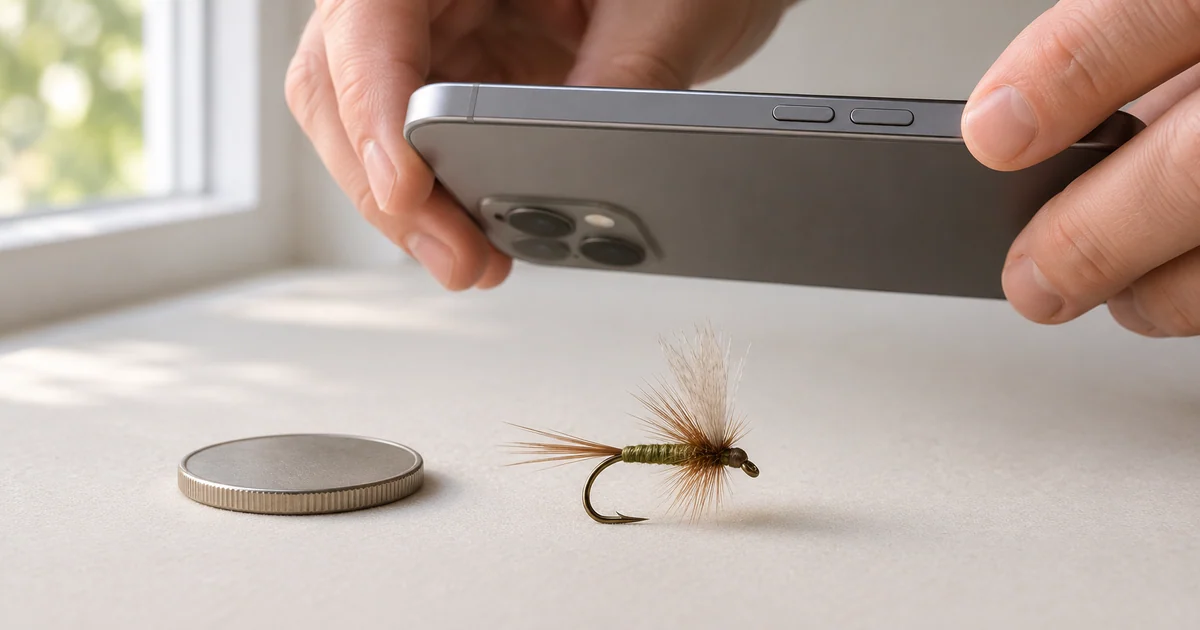
- Photograph it from the side and above in good light with the hook eye, bend and point visible. Put a ruler beside it and hold the fly by the bend with a tool if needed.
- Describe the body and tail length, silhouette, color and visible bead or cone. Note whether the hook number came from a label or is just an estimate.
- Say where it was meant to fish, if known: on top, just in the film, below the surface or retrieved.
- If you only need a functional replacement, ask for one with the same general profile and presentation. Ask for the exact variant when you need to match the original weighting.
For example, you might write, “Short olive body, fine tail, silver bead, no package. I want to replace this with a fly of similar length and use it below the surface.” That gives a shop enough information to suggest candidates without pretending it knows the exact pattern or hook from the photo. If you find the original packet later, label the row in your box and keep the photo with the supplier name and size. This is especially helpful when several variants look alike after the tags go missing.
Try an Unfamiliar Fly With a Clear Starting Point
Check that the hook is sound and the eye is clear before tying on. If you know the type, start with the corresponding presentation in a place you can fish safely and legally. A brief look at the fly in clear, shallow water can show whether it rides high or sinks under those conditions. Treat that as an observation for that rig; the same fly can behave differently with current, a different leader or a wet body. For ways to deliver each category, see the guide to essential fly fishing techniques.
A Quick Fishing Fly Check Before Heading Out
Look at the fishing fly eye in daylight. Thread or varnish may partly cover it on some tied flies. If the hook is bent, heavily rusted or has a damaged point, set the fly aside. That keeps the condition of an old hook from becoming part of your first comparison. When choosing between two sound flies, examine how heavily the dressing is tied and how much of the hook gap is open.
A storage check helps when reading an old fly box. Compare dry and wet patterns before putting them under the same low lid. Keep taller hackled flies where the lid will not flatten them. Let wet flies dry before returning them to closed storage. When you retrieve the box weeks later, a short label with the fishing fly type, size if known and construction details will still tell you the intended presentation.
Identify a fishing fly when two patterns look alike
Start your comparison with a known pattern and an unknown fishing fly that looks similar. Lay them on a plain background with the eyes pointing the same way. Photograph them next to a ruler, first from the side and then from above. Use the side view to compare where the body ends, how far the tail extends, and how much of the hook gap is open. The top view helps you see whether the wing is broad, narrow, or split.
Make a short observation card with three lines for each fly: what you can see, what you think it was designed to do, and what you still need to check. One card might read “short body, olive fibers, metallic head; likely subsurface; hook size and head material unknown.” That gives a shop enough information to suggest a similar fly without treating a guess as an identification. If you eventually find the package, add the printed size and variation to the card.
If both hooks are in good condition and you have a controlled place to observe them, compare the flies in clear water tied to the same type of leader material. Look at how the materials sit when wet and whether a fly stays upright or tips over on a short pull. Keep the observation with your notes rather than using it to assign an exact pattern. Similar silhouettes can serve different presentations.
When you ask a shop for a replacement, include what you were trying to do with the original. Say whether you want to match its appearance, size range, or behavior in the water. If you only need a fly that serves the same purpose, offer the shop the two photos and the observation card and ask for a functional match. Keep the new fly and its label together until you have compared it with the original.
An unknown fishing fly becomes useful once you can describe its likely job and what you still need to check. Keep “size unknown” or “weight unspecified” on your label until you have reliable information. That makes your next purchase easier to check and repeat.