
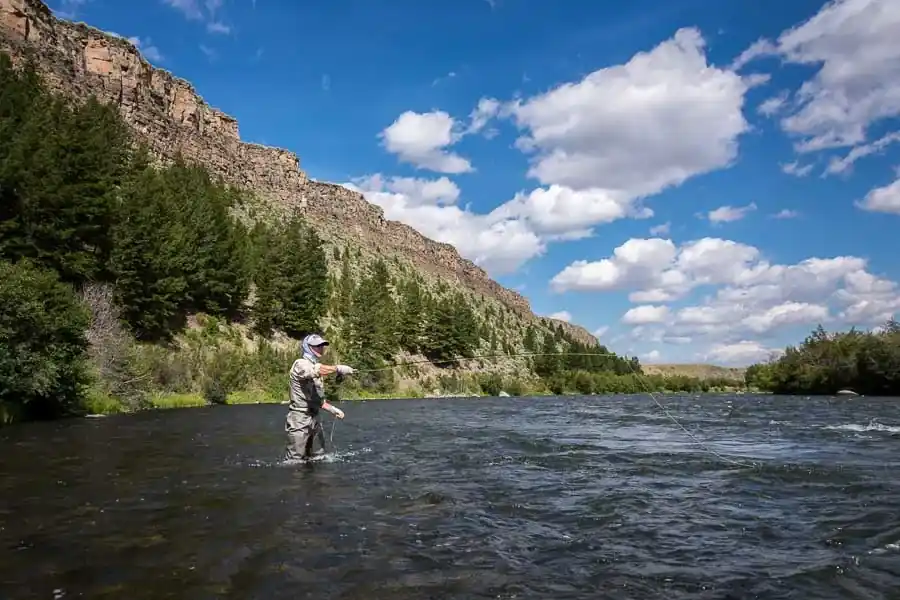
Best Time to Fly Fish in Montana: Month-by-Month Guide
The best time to fly fish in Montana depends on the experience you want—not simply the warmest month. Late June and July can deliver outstanding dry-fly opportunities after runoff, August brings terrestrials but also heat-related restrictions, and September often offers cooler weather and more room on popular waters. Earlier and later months can be worthwhile on the right legally open rivers.
This month-by-month guide compares seasonal fishing opportunities, snowmelt, hatches, water temperatures, crowds, and regulations. Use it to choose a travel window and a type of river, then check current flows and restrictions for the exact water before booking. There is no single best month for every Montana river or angler.
Table of Contents
Best Time to Fly Fish in Montana: Quick Answer
For many visiting trout anglers, late June through July is a strong starting window for varied dry-fly fishing, provided runoff has eased on the chosen river. August suits hopper and terrestrial enthusiasts but raises warm-water concerns; September often offers cooler nights and a less hectic travel experience. Spring and winter can also work on suitable legally open tailwaters or spring creeks. No window guarantees favorable conditions.
| Your priority | Months to investigate | Key trade-off |
|---|---|---|
| Varied dry-fly opportunities | Late June–July | Runoff timing, popular rivers and crowded access |
| Hoppers, ants and beetles | August–early September | Heat, low flows and possible closures |
| Cooler weather and more flexibility | September–October | Fall storms and lingering low water |
| Spring mayflies and caddis | March–May, where open | Weather changes and snowmelt |
| Cold-season trout fishing | December–February, where open | Ice, short days and fewer accessible fisheries |
These are typical patterns, not fishing forecasts. Montana’s fishing districts and individual waters have different open seasons.
Best Time to Fly Fish in Montana: Month-by-Month Calendar
Use this 12-month overview as a decision tool, not a hatch timetable for every drainage. A dam-regulated river, an open spring creek, and a high-elevation freestone can behave very differently on the same date.
| Month | Typical opportunity | Main challenge | Water to research |
|---|---|---|---|
| January | Slow-water nymphs and midges | Ice and limited access | Legally open tailwaters |
| February | Midges and occasional mild-day activity | Cold water, ice and wind | Tailwaters and permitted spring creeks |
| March | Early BWOs, nymphs and streamers | Rapid weather changes | Accessible year-round waters |
| April | BWOs, early caddis and spring creeks | Runoff may begin | Spring creeks and suitable tailwaters |
| May | Caddis and pre-/early-runoff fishing | Swollen freestone rivers | Waters open under current rules |
| June | Stoneflies, caddis, PMDs as rivers clear | Uncertain runoff timing | Clearer tailwaters and receding freestones |
| July | Dry flies and broad summer access | Crowds, warming afternoons | Freestones, tailwaters, mountain streams |
| August | Hoppers, ants, beetles, Tricos | Low flows, trout stress, restrictions | Cooler or higher waters where open |
| September | Late terrestrials, fall mayflies | Water may remain low | Suitable freestones and tailwaters |
| October | BWOs, nymphs and streamers | Snowstorms, shorter days | Legally open lower-elevation rivers |
| November | Nymphs, occasional midges/BWOs | Seasonal river closures | Year-round fisheries |
| December | Winter nymphing and midges | Ice, safety and cold | Accessible, legally open water |
Actual timing varies with elevation, water temperature, snowpack, reservoir operations, and seasonal weather. Always verify the local regulations before treating an entry as an available fishing option.
Best Time to Fly Fish in Montana: January to March
January — Winter Opportunities
January isn’t a typical first-choice vacation month, but patient anglers can fish certain year-round waters. Trout often hold in slower, more stable water where carefully presented midges and small nymphs may be useful. Approach quietly, limit unnecessary wading, and work during practical daylight hours rather than assuming a long productive day.
February — Cold Water and Midges
For the best time to fly fish in Montana during winter, February has essentially the same limitations as January: ice, access roads, cold hands, and variable activity. Milder periods can bring some surface midge activity. A guide familiar with winter access may be especially useful, but no guide can guarantee safe or open water.
March — Early Spring Changes
March brings longer days and the possibility of blue-winged olive (BWO) mayflies, nymphing, and streamer fishing on suitable fisheries. Weather can switch from mild to snowy quickly. Do not assume a Western District river is open because a nearby Central District tailwater is fishable; consult water-specific exceptions.
Best Time to Fly Fish in Montana: April and May
April — Spring Hatches and Unpredictable Weather
April can suit anglers who enjoy technical mayfly fishing, especially on spring creeks and certain tailwaters. BWOs and midges may bring rising fish; early caddis are possible under suitable conditions. Some freestones remain clear early in the month, but a warm spell can start snowmelt quickly. Pack for rain, wind, and cold rather than trusting a sunny forecast.
May — Openings and Runoff
May is a transition, not a universal season opener. Under Montana’s 2026 general regulations, the Western District river season begins on the third Saturday of May, unless a listed exception changes that date. Central and Eastern District streams have different general rules. Snowmelt may make a freestone muddy or unsafe even if it is legally open.
A spring creek or dam-regulated tailwater may offer more manageable water during runoff, but releases, access rules, and weather still matter. The best time to fly fish in Montana for spring hatches may arrive before the summer crowds, provided you choose the right water and check its rules.
Best Time to Fly Fish in Montana: June Runoff Trade-Offs
Early June Can Be Risky for a Fixed Itinerary
A popular Montana trout river may be clear one early June and high the next. Snowpack, warming temperatures, and rain determine the runoff schedule. On major freestone rivers, rising water can make drifting difficult and wading dangerous. The Yellowstone, for example, can remain influenced by runoff well into the summer in some years.
Late June and Dry-Fly Opportunities
Once suitable rivers stabilize and clear, caddis, stoneflies, and pale morning duns (PMDs) can produce varied dry-fly opportunities. Local stonefly emergence progresses by river and elevation rather than by one statewide calendar date. Even during an exciting hatch, fish may feed subsurface or only in particular water.
Build a Runoff Backup
The best time to fly fish in Montana for a June trip depends on how flexible you can be. If you are booking months ahead, identify more than one river type: a freestone for clear-water days, a tailwater for appropriate alternatives, and perhaps a spring creek where access can be secured. Ask a guide or lodging provider about changing the fishing location if conditions shift.
June verdict: Excellent potential, especially later in the month, with more runoff uncertainty than a July itinerary.
Best Time to Fly Fish in Montana: July
Summer Dry Flies and More Waters
July is a strong candidate for the best time to fly fish in Montana when you want broad trout-fishing variety. Many rivers have passed peak runoff by then, and anglers can encounter PMDs, caddis, golden stoneflies, and other insects. High-elevation options may begin to open as snow recedes, though trail and stream access still need checking.
The Catch: Crowds and Heat
Summer vacation traffic can concentrate around famous fisheries, popular launches, and accessible wade sections. A good strategy is to choose several possible waters rather than insist on one heavily used river. Later in July, hot days and low flows can bring restrictions or make catch-and-release unwise even before officials post a closure.
Who Should Choose July?
Choose July if your priority is a mix of dry-fly techniques, a traditional summer Montana trip, and a broad range of potential fishing locations. It is less ideal if you want solitude or cannot adapt to changing afternoon temperatures. The best time to fly fish in Montana is not simply when air temperatures feel comfortable to visitors.
July verdict: A versatile summer choice, with crowd management and water-temperature checks essential.
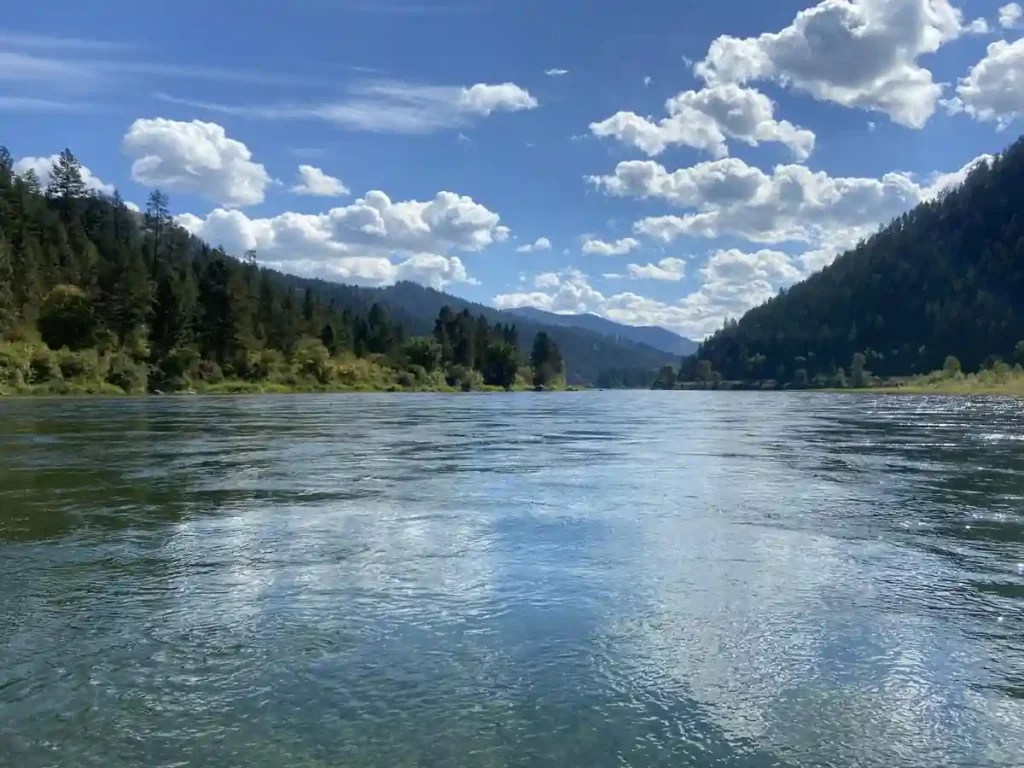
Best Time to Fly Fish in Montana: August
Hopper and Terrestrial Fishing
For anglers who love large dry flies, August may be the best time to fly fish in Montana on suitable waters. Hoppers, ants, and beetles become relevant along grassy banks; some rivers also offer Trico activity, caddis, or small mayflies. Choose patterns based on actual insects and trout response, not a fixed statewide hatch date.
Warm Water and Low Flow
August’s most important limitation is fish welfare. Warm water holds less dissolved oxygen, and handling fish can increase stress. If the river is unusually warm, fish another cooler waterbody where legal and appropriate or stop fishing. Do not assume dawn is always safe, and measure water temperature when conditions warrant it.
What Hoot-Owl Rules Mean
Montana Fish, Wildlife & Parks uses hoot-owl restrictions to prohibit fishing on the specified reach between 2 p.m. and midnight. A full closure prohibits fishing altogether on its designated water. In July 2026, FWP announced hoot-owl measures on parts of the Big Hole, Gallatin, East Gallatin, Jefferson, Madison, and Ruby Rivers, along with a specific Madison River closure. Some seasonal measures were subsequently lifted, so a July announcement is not a live October restriction list.
Check FWP’s Current Waterbody Restrictions page immediately before fishing. Even on an unrestricted section, take fish stress seriously.
August verdict: Good terrestrial possibilities, but flexibility to change rivers—or cancel fishing—is crucial.
Best Time to Fly Fish in Montana: September
Cooler Nights and Late Terrestrials
September may be the best time to fly fish in Montana for anglers who value cooler weather and fewer peak-summer visitors. Hoppers may still be relevant early in the month, while fall mayflies, nymphs, and streamers can become useful as conditions change. A forecasted cool day does not instantly restore depleted streamflows.
Quieter Doesn’t Mean Empty
Popular rivers still attract guides and visiting anglers in September. However, schools are back in session, and the atmosphere can differ from midsummer. The trade-off is shorter days, variable storms, and some seasonal changes to access or services.
Why September Is a Flexible Choice
For anglers who can change their plans based on conditions, September allows a mix of river types and presentations. But low-water conditions can persist after the heat fades. Check actual temperature, flow, closures, and current fishing reports before assuming all waters are recovered.
September verdict: A particularly appealing balance for some anglers, without guaranteed flows or solitude.
Best Time to Fly Fish in Montana: October to December
October — Autumn Fishing and Weather
October can offer BWOs on cool overcast days, nymphing, and streamer opportunities where legally open. Browns may be preparing for spawning, so avoid disturbing fish on redds and keep fish welfare central. Snow, wind, and cold rain can arrive quickly, reducing the practicality of a long wade or float day.
November — Watch Seasonal Closures
November may still allow fishing in many places, but the Western District’s general river season ends November 30 under the 2026 rules, with exceptions that must be checked by water. Some fisheries have their own dates, and conditions can deteriorate well before a legal closing day. Carrying winter gear does not make a hazardous crossing safe.
December — Legal Water, Limited Choices
December fishing is an option on certain year-round waters, often with midges and nymphs. The best time to fly fish in Montana for a winter specialist may be a calm, accessible day rather than a particular month. For most destination travelers, December demands substantial flexibility around ice, short daylight, changing roads, and cold-weather safety.
Why Montana Rivers Have Different Fishing Calendars
The same month can present entirely different fishing conditions on neighboring waters. Before choosing a trip window, learn which kind of river you intend to fish.
Freestone Rivers
Freestones such as the Yellowstone and Bitterroot respond strongly to snowmelt and precipitation. Runoff timing affects clarity, safety, and the onset of summer fishing. They may offer varied insect activity after flows recede but can also be sensitive to hot, low-water periods.
Tailwaters
Dam-regulated waters such as the Missouri near Craig have releases that may provide alternatives during runoff. They are not immune to unusual reservoir operations, warm weather, or legal restrictions. Check the appropriate river gauge and release information for your actual date.
Spring Creeks
Spring creeks can provide relatively stable, technical fishing during times when bigger freestone rivers are off-color. They often demand accurate casts, careful approaches, and small flies. Some pass through private property with limited, reserved, or paid access; do not assume public entry.
Mountain Streams
High-elevation streams often become more accessible after snow retreats in summer. Trail conditions, thunderstorms, cold water, and wilderness travel can remain challenging. An August mountain-stream alternative should not be recommended without checking current access and ecological conditions.
[GOOGLE MAPS INSERTION — Montana river regions and seasonal planning]
Five Representative Montana Regions
The Missouri near Craig, Madison near Ennis, Yellowstone near Livingston, Bitterroot near Hamilton, and Kootenai near Libby illustrate geographic and river-type diversity. They are orientation examples, not a ranked list, itinerary, or set of verified public access points. Each river has sections with different rules and conditions.
Best Time to Fly Fish in Montana: Hatches and Techniques
A Montana fly-fishing hatch calendar is useful as a seasonal guide, not a promise that a named insect will appear on your chosen day. Weather, elevation, temperatures, and water clarity influence local timing.
| Season | Fly categories to consider | Presentation idea |
|---|---|---|
| Winter | Midges and small nymphs | Controlled subsurface drift in slower water |
| Spring | BWOs, early caddis, nymphs | Watch for surface rises; adapt to weather |
| Early summer | Stoneflies, caddis, PMDs | Dries or nymphs on suitable cleared rivers |
| Late summer | Hoppers, ants, beetles, Tricos | Terrestrials near legal grassy banks, where water is cool |
| Fall | BWOs, nymphs, streamers | Match actual activity and avoid spawning areas |
Match Line and Fly to the Water
A floating trout line covers many dry-fly and nymph presentations. A sink tip may be useful for certain streamer situations, but a new line cannot solve high or dangerously warm water. For equipment choices, our guide to choosing the right fly fishing line explains the differences among line weights, tapers, and sinking styles.
The best time to fly fish in Montana for a particular fly pattern is when the target river is legally open, healthy enough to fish, and showing suitable insect or fish activity—not a specific calendar square.
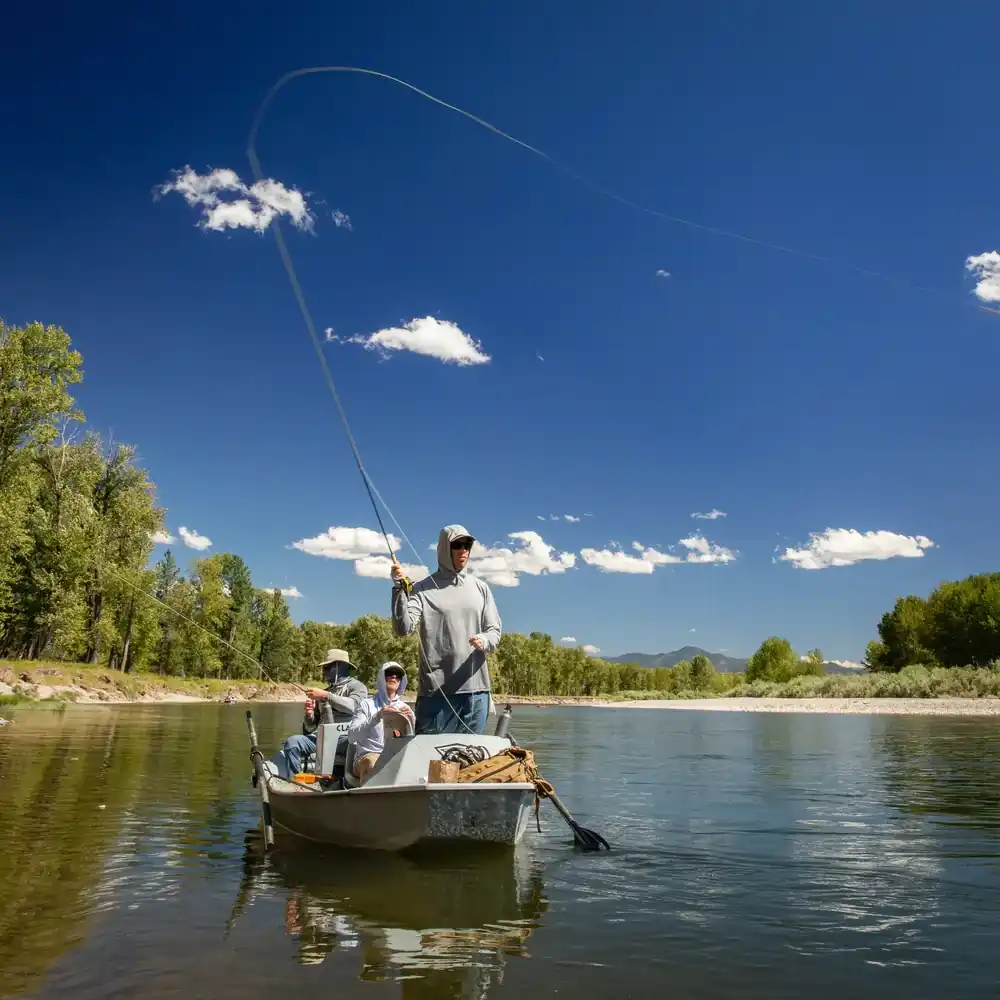
Best Time to Fly Fish in Montana: Fishing Seasons and Restrictions
Montana’s Three General Fishing Districts
Montana FWP’s 2026 regulations apply March 1, 2026–February 28, 2027. They establish these general seasons, unless a specific water is listed as an exception:
| District | General rivers and streams season | General lakes and reservoirs season |
|---|---|---|
| Western | Third Saturday in May–November 30 | Year-round |
| Central | Year-round | Year-round |
| Eastern | Year-round | Year-round |
This table does not mean every water in the district is open throughout that period. The correct process is to identify the district, read its standard rules, and check the named water’s exceptions. Special seasons, tackle, harvest limits, and temporary closures may supersede the general calendar.
Current Waterbody Closures and Hoot-Owl Rules
FWP’s current waterbody page, reviewed October 11, 2026, lists a drought-related 24-hour fishing closure on Big Hole River Section 1, beginning August 13, and a separate bridge-construction closure affecting a limited reach of the Sun River through November 15, 2026. Those restrictions apply only to their specified locations. Recheck the live page because closures can be added, lifted, or revised.
During a hoot-owl restriction, do not fish the designated reach from 2 p.m. until midnight. A full closure is not an invitation to switch to morning fishing on the same closed reach.
Yellowstone National Park Has Separate Rules
If your trip includes waters inside Yellowstone National Park, check National Park Service regulations, park-specific permits, and temporary notices. Its 2026 general fishing season is different from Montana FWP’s district-wide seasons, and some park river reaches have their own exceptions. The park lifted its remaining July heat-related restrictions on the Firehole, Madison, and Gibbon rivers effective September 4, 2026; that historical update is not a guarantee that a future visit will be unrestricted.
Fish Welfare Is Part of the Decision
Even when water is legally open, high water temperatures, low oxygen, or visibly stressed fish are reasons to stop. Fish during suitable conditions, land fish without prolonged exhaustion, minimize air exposure, and avoid unnecessary handling. A legal catch-and-release outing is not automatically a low-impact one.
Best Time to Fly Fish in Montana: Plan Your Trip
Start With Your Fishing Goal
To choose the best time to fly fish in Montana, decide whether your priority is dry flies, hoppers, spring hatches, quieter travel, or learning with a guide. Then choose a river type and a backup water—not merely a month with a good reputation.
Check Actual Conditions Before Paying
For each proposed river, verify FWP fishing regulations and active restrictions. Check available flow and temperature data from official monitoring sites, then review recent local conditions. Ask guides and accommodations how they adjust trips during runoff, warm water, or closures; a booking should not depend on one river being fishable every day.
Guided or Independent?
Guides can help identify appropriate waters for the day and explain access or presentation. Independent trips give more flexibility but demand careful research. If you are new to destination trout fishing, our guide to fly fishing trips for beginners explains how to choose manageable water, instruction, and trip length.
Pack for the Season, Not the Brochure
In spring and autumn, bring warm layers and a rain shell; in summer, sun protection, drinking water, and a way to check water temperature may matter more. Waders and boots depend on actual access and conditions. Use our fly fishing gear for beginners checklist to avoid packing or buying unnecessary equipment.
Have a Travel Backup
Book accommodation and guiding with clear cancellation or relocation terms, and ask whether alternatives are available when conditions are unsuitable. If Montana does not match your dates or priorities, compare best fly fishing destinations by target species and season rather than forcing a trip into poor water conditions.
Best Time to Fly Fish in Montana FAQs
What Is the Best Month for Fly Fishing in Montana?
There is no universal best month. Late June and July often offer varied summer dry-fly opportunities; August may suit hopper fishing when water stays cool; September can offer pleasant conditions and less peak vacation traffic. Match the month to the specific river and current restrictions.
Is June Too Early to Fly Fish in Montana?
Not necessarily. Some tailwaters and spring creeks can offer opportunities during runoff, and freestone rivers may clear in June in some years. Others, including portions of the Yellowstone, can remain high later. Have a backup river.
Is July or August Better?
July may provide broader choices after runoff, with summer hatches and significant visitor pressure. August can be excellent for terrestrials but may have warmer water, low flows, and hoot-owl restrictions. The better month depends on your river, priorities, and conditions.
Is September a Good Time to Fly Fish in Montana?
Yes, on suitable waters. Cooler nights, late terrestrials, fall mayflies, and potentially fewer vacationers appeal to many anglers. Low flows or warm water may persist; check actual conditions rather than assuming September automatically solves summer drought.
Can You Fly Fish Montana Rivers in Winter?
Yes, on waters legally open year-round, often including designated tailwaters or exceptions. Not every Western District river is open in winter. Verify the specific water and plan for ice, changing roads, short daylight, and cold-water safety.
What Are Montana Hoot-Owl Fishing Restrictions?
On a waterbody subject to a hoot-owl restriction, Montana FWP prohibits fishing from 2 p.m. until midnight. A full closure prohibits fishing at all hours on the affected reach. Check the current FWP restrictions list before every outing.
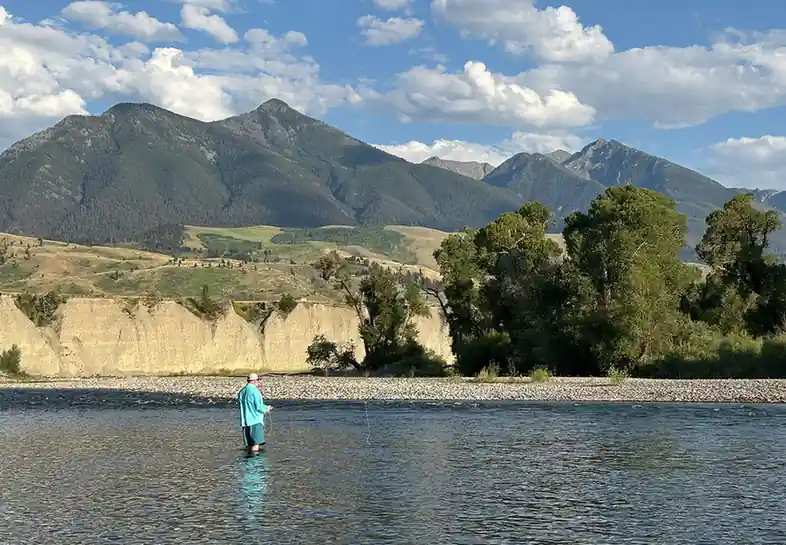
Best Time to Fly Fish in Montana: Final Takeaway
The best time to fly fish in Montana depends on your goals and the water you choose. Late June and July can offer summer dry-fly variety once runoff recedes. August is attractive for terrestrials but needs particular caution about warm water. September often appeals to anglers seeking cooler conditions and a more relaxed trip. Spring and winter can work on the right legally open fisheries.
Before booking, match your month to a river type, select a backup option, and check the actual water’s regulations, flows, and current closures. The most useful Montana fishing calendar is one you update for the conditions you will really encounter.
References
- Montana Fish, Wildlife & Parks — Fishing Regulations — 2026 district seasons, water-specific exceptions, and regulatory framework.
- Montana Fish, Wildlife & Parks — Fishing License Basics — regulation validity dates and license information.
- Montana Fish, Wildlife & Parks — Current Waterbody Restrictions — current hoot-owl and full-closure status by waterbody.
- Montana Fish, Wildlife & Parks — Drought and Hoot-Owl Restrictions — warm-water management and 2 p.m.–midnight restriction definition.
- Montana Fish, Wildlife & Parks — July 14, 2026 Hoot-Owl Announcement — verified example of temporary summer restrictions and a full closure.
- Montana Fish, Wildlife & Parks — August 28, 2026 Restrictions Update — example of restrictions being lifted after conditions improved.
- Montana Angler — What Is the Best Month for Fly Fishing in Montana? — comparisons of dry flies, runoff, hoppers, and seasonal trip goals.
- Montana Angler — Montana Weather: Month-by-Month Guide for Fly Fishing — seasonal weather and river-condition tendencies.
- Montana Angler — April Fishing on the Montana Spring Creeks — April BWOs, midges, and spring-creek alternatives.
- U.S. Geological Survey — Montana Water Conditions — source for checking available flow and monitoring information.
- National Park Service — Yellowstone National Park Fishing — park-specific permits, seasons, and exceptions.
- National Park Service — September 2026 Yellowstone Fishing Restrictions Update — official history of lifted 2026 park heat restrictions.