
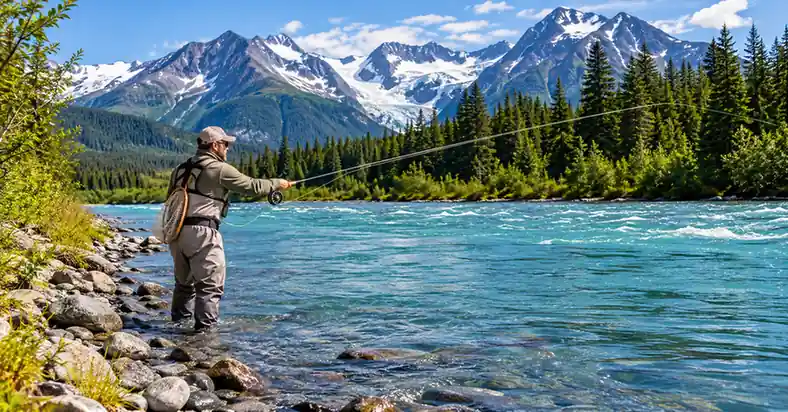
Fly Fishing for Salmon in Alaska: Species, Seasons, and Trip Planning
Fly fishing for salmon in Alaska works best when you choose the fish and the river before choosing your travel dates. For fly fishing for salmon in Alaska, a July trip built around sockeye on the Kenai Peninsula is different from a late-August coho trip near Yakutat or a remote Bristol Bay lodge stay. Even when salmon are present, a river may be closed to targeting that species or subject to special tackle rules.
This guide explains the five Pacific salmon species, realistic timing windows, road-accessible versus remote fishing, essential gear, and the regulatory checks that belong in every itinerary. The examples reflect information checked in October 2026. They are planning guidance, not confirmed 2027 openings. Always consult Alaska Department of Fish and Game (ADF&G) regulations and emergency orders for the exact water and trip dates.
Table of Contents
Fly Fishing for Salmon in Alaska: Quick Planning Answer
The simplest way to plan fly fishing for salmon in Alaska is to make five decisions in order:
- Choose a primary species. Pick sockeye, coho, pink, chum, or Chinook rather than expecting all five on the same week.
- Choose the drainage. Run timing on the Kenai, Situk, and remote Southwest Alaska rivers is not identical.
- Check the law before booking. Find the regional regulation booklet, water-specific restrictions, and emergency orders. A historical run is not a legal season.
- Match access to experience. Roadside wading, a guided float, and a fly-out lodge have different cost, safety, and logistical demands.
- Build a backup plan. Weather, river flow, run strength, or new regulations may change what you can fish.
| If your priority is… | First region to research | Typical trip style | Main caution |
|---|---|---|---|
| A first road-accessible sockeye trip | Kenai Peninsula | DIY bank fishing or a guided day | Specific bank, hook, and method rules |
| Late-summer coho | Situk River / Yakutat | Bank fishing or a planned float | Changing water levels and access logistics |
| A mix of salmon and wilderness | Bristol Bay | Guided lodge, boat, or floatplane | Remote travel and drainage-specific rules |
| Pink salmon in an even-numbered year | Kenai Peninsula | Road-accessible fishing | Run timing and local crowding |
| King salmon | A verified open fishery, not a famous river by default | Specialized guided or self-directed trip | Conservation closures and stamp requirements |
No region is guaranteed to produce fish. If fly fishing for salmon in Alaska is your first trip, use the table to narrow your research, then verify the particular river section and date.
Fly Fishing for Salmon in Alaska by Species
Five Pacific salmon species occur in Alaska, but they differ in size, timing, habitat, and the presentations anglers use. When planning fly fishing for salmon in Alaska, the most useful question is not simply which species is largest. Ask which fish is likely to be in accessible, legally open water during your trip.
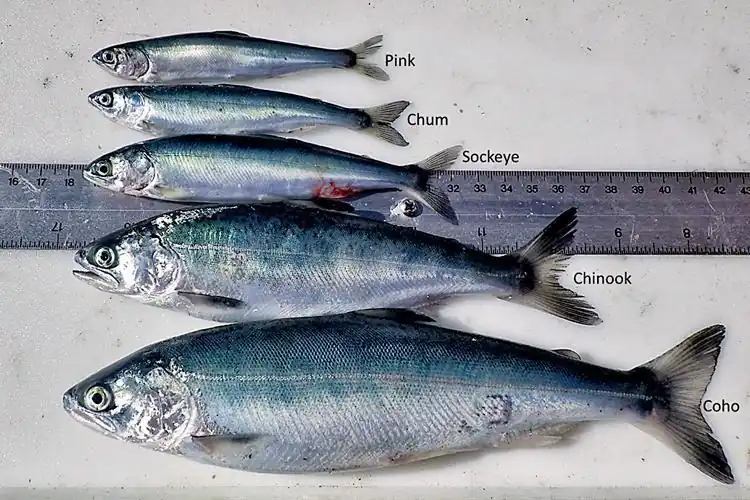
Chinook / King Salmon
King salmon are powerful fish that can demand stout tackle and substantial reel backing. Many fisheries have traditional early-summer timing, but king salmon are also subject to serious conservation restrictions. The 2026 Kenai River early and late king salmon sport fisheries were closed for their specified periods, including catch-and-release targeting. Those dated orders do not establish 2027 rules, and another river’s opening is not evidence that the Kenai is open.
For fly fishing for salmon in Alaska with kings as your priority, verify a specific open fishery before committing to a king-focused package. ADF&G may distinguish hatchery-origin and wild fish, impose tackle restrictions, or close individual waters. A required king salmon stamp does not grant permission to fish where targeting is prohibited.
Sockeye / Red Salmon
Sockeye are a major reason anglers travel to the Kenai, Russian, Kasilof, and Situk systems. They often move close to the bank and can gather in numbers, making access and presentation methods important. But upstream-migrating sockeye do not always behave like trout actively chasing artificial flies. Some legal techniques using fly rods may involve a fish being hooked in the mouth without a conventional voluntary strike. Never assume a method is lawful everywhere, and never intentionally snag or foul-hook fish.
When fly fishing for salmon in Alaska with sockeye as your target, pay especially close attention to fly-only designations, hook gap, added weight, and whether an area has seasonal restrictions. The separate sockeye-method guide can explore presentation and legal distinctions in depth; this trip guide focuses on when and where to plan.
Coho / Silver Salmon
Coho are an appealing target for anglers who want to retrieve streamers and work likely holding water. Late summer into fall is important in many regions, but arrival dates vary. For example, ADF&G identifies coho fishing in the lower Situk system and describes late-August through September opportunities in parts of the Kenai drainage. A resident fish entering a river is not a promise that the same stretch will fish well throughout the month.
Fly fishing for salmon in Alaska with coho as the main target makes sense when you can adjust to changing fish movement, rain, and water clarity. Keep a second fishing plan if river conditions change.
Pink / Humpy Salmon
Pink salmon often create accessible summer opportunities. On the Kenai Peninsula, large pink returns are especially associated with even-numbered years; 2026 was one such year. That cycle does not mean every even-year fishing day will be productive, and other Alaska regions have different run patterns.
When fly fishing for salmon in Alaska during a suitable pink run, a modest single-hand fly rod may work in suitable open water, but rod choice must account for current, fly size, and fish handling. Pink salmon can offer a useful introduction to salmon fishing where the season and water-specific rules permit it.
Chum / Dog Salmon
Chum salmon can be strong fighters, particularly in moving water. Timing in many Alaska Peninsula fisheries falls around July and August, although local runs vary. They deserve a reel with smooth drag and a rod matched to the actual river, not a generic assumption that smaller flies mean light tackle.
For fly fishing for salmon in Alaska with chum as a primary target, research the specific drainage and legal gear requirements. The species may be present alongside pinks or sockeye, but that does not establish identical fishing methods or retention rules.
When to Plan an Alaska Salmon Fly Fishing Trip
There is no single best month for fly fishing for salmon in Alaska. ADF&G’s run-timing charts describe fish availability, not legal open seasons. The practical approach is to combine a species’ typical return with a specific river, current regulations, and an itinerary that can tolerate a change in conditions.
| Salmon | Broad planning window in relevant Alaska regions | What can change |
|---|---|---|
| King / Chinook | May–July; some regions extend later | Conservation closures, hatchery rules, drainage variation |
| Sockeye | June–August | Separate early and late runs; water-level and area rules |
| Chum | July–August in many Alaska Peninsula rivers | Drainage-specific run timing |
| Pink | July–August, sometimes into September | Region and brood-year cycles |
| Coho | Late July–September, into October in some waters | Freshwater entry, rain, legal season dates |
These broad windows are synthesized from ADF&G’s Alaska Peninsula timing and Kenai/Situk guidance. They are not dates when a visitor may automatically fish or retain salmon.
June: Choose the Drainage Carefully
When fly fishing for salmon in Alaska in early summer, your dates may line up with sockeye entering the Situk and early runs in other waters. It is also a time when anglers considering kings need particularly careful closure checks. Do not assume an advertised June king season remains open because it was productive in previous years.
July: Sockeye Planning Becomes Important
July is often central to fly fishing for salmon in Alaska when the Kenai Peninsula sockeye run is the goal. The lower Kenai and Kasilof may have fish before some upper-river or Russian River opportunities reach their better windows. Your exact location matters: an angler fishing the Russian River should not plan solely from a lower Kenai timing chart.
August and September: Coho, Pinks, and Changing Conditions
Late summer can offer coho in different parts of Alaska and pink salmon opportunities in the right regional cycle. Kenai coho can arrive in the lower river earlier than in the Russian River area. In Southwest Alaska, some coho runs extend well into September. Fall weather and transportation reliability become important pieces of the itinerary.
What to Check Before You Choose a Week
First compare an ADF&G run-timing chart with the appropriate regional regulation booklet. Then review current emergency orders, recent area fishing reports, and access restrictions. If booking months ahead, prefer refundable or flexible arrangements where practical. For a trip in 2027, recheck 2027 publications when available rather than treating any 2026 closure as automatically extended.
Fly Fishing for Salmon in Alaska: Rivers and Regions
The name of a river is only a starting point. For fly fishing for salmon in Alaska, compare the target species, bank or boat access, river conditions, and local rules before treating a destination as suitable. The Kenai Peninsula is a sensible research base for anglers who want road access; Yakutat and Bristol Bay offer different travel patterns.
This map is a geographic reference centered on the Kenai River near Cooper Landing. It does not display verified legal fishing access points or pins for every region below. The Situk River and Bristol Bay are in other parts of Alaska and require separate trip planning.
Kenai River: Road-Accessible Choices
For fly fishing for salmon in Alaska with road access, the Kenai River offers multiple river sections and associated salmon runs. Road access on the peninsula makes it practical to base a trip near Cooper Landing, Sterling, or Soldotna, but roads beside a river do not establish public access to every bank. Some reaches are better suited to boats or guided floats, and seasonal bank closures protect sensitive areas.
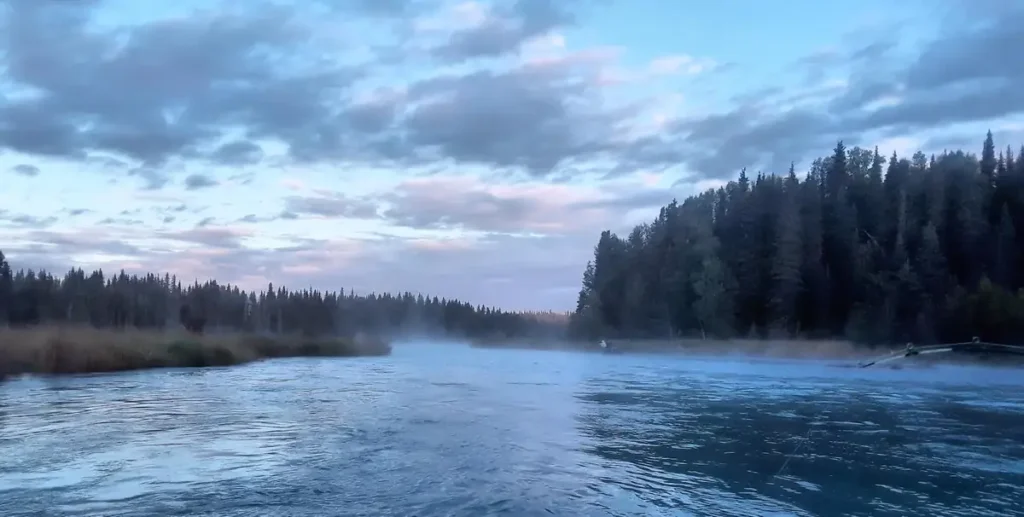
The 2026 closures of early- and late-run Kenai king salmon show why species selection matters. Other legal fishing opportunities may remain, subject to their own rules. Choose a realistic sockeye or coho plan only after confirming the particular section and season.
Russian River: Sockeye and Specific Gear Rules
The Russian River and nearby confluence are well-known for sockeye access, but timing and rules deserve their own check. ADF&G notes that later sockeye may reach the Russian River around late July or early August, and coho fishing can become relevant later.
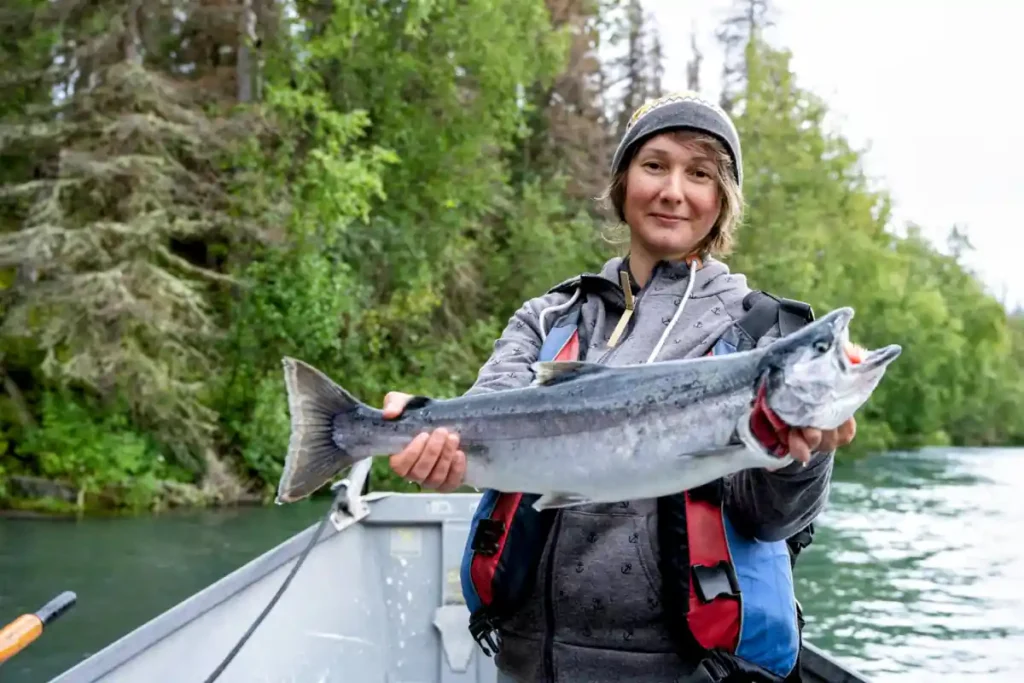
The area is a particularly good example of why using a fly rod is not enough to establish legal compliance. ADF&G describes an unweighted, unbaited, single-hook artificial fly, with a hook-gap limit of 3/8 inch, and placement restrictions when added weight is allowed. Verify the exact regulated waters and current wording before rigging; do not generalize these requirements to all of Alaska.
Kasilof River: An Alternative, Not a Legal Shortcut
The Kasilof provides another Kenai Peninsula fishery to consider for sockeye and, when legally open, certain king salmon opportunities. However, it is not automatically unrestricted when the Kenai has closures. A corrected ADF&G emergency order for 2026 imposed single-hook artificial-lure restrictions and a closed area near Crooked Creek; subsequent actions can also change the status of a fishery.
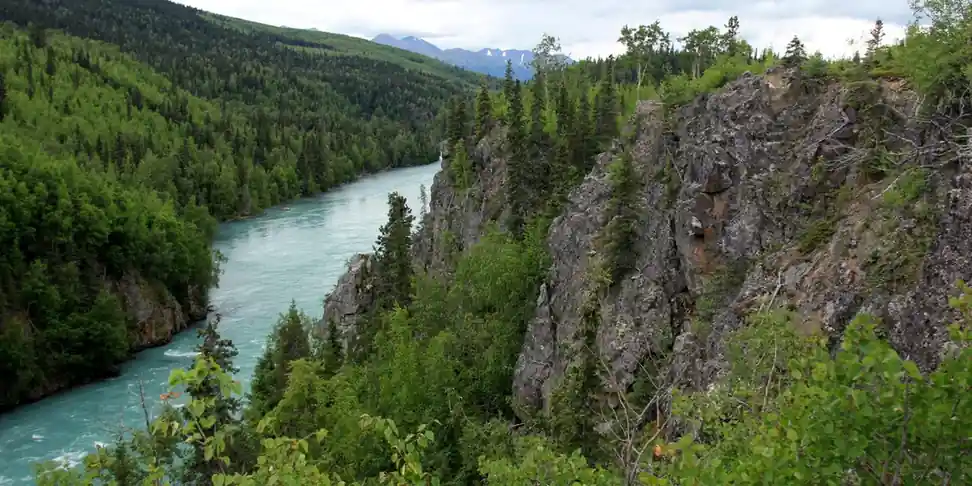
For a DIY day, research which bank or boat option is genuinely available, the water level, and whether special rules apply. Do not mix up sport fishing with resident-only personal-use dipnet fisheries.
Situk River: A Yakutat Sockeye and Coho Option
Near Yakutat, the Situk is a different travel choice from the Kenai Peninsula. ADF&G describes sockeye entering during June and July, and coho fishing concentrated in the lower reaches later in the season. Its fishing-opportunity page discusses the 9 Mile Bridge area and Lower Landing, with shoreline and float-trip possibilities.
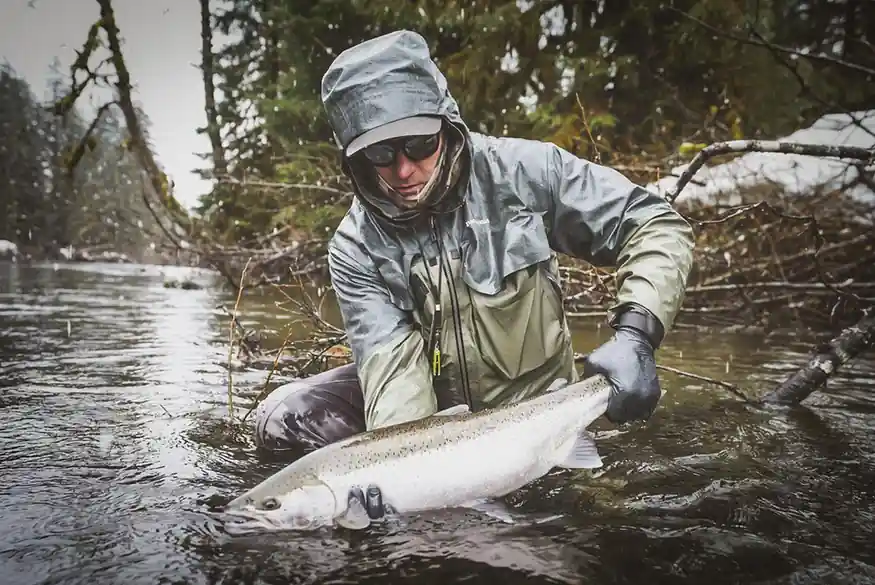
These are official location descriptions, not proof that every bank or float is suitable on your travel date. Check road condition, water level, seasonal restrictions, transport arrangements, and any current access notices before planning a self-guided trip.
Bristol Bay and Southwest Alaska: Remote Logistics
Bristol Bay offers multiple salmon species and resident fish, but many fishing trips involve air travel beyond a primary airport, a lodge, a boat, or a carefully organized float. Do not assume that a river visible on a map has a convenient public roadside access point. The useful travel window can differ between kings, sockeye, and late-season coho.
For fly fishing for salmon in Alaska at a remote lodge, ask exactly which drainage is included, which salmon are expected during your dates, and how the operator responds to changing weather or regulations. Remote travel can add genuine value, but it also raises the cost of a poorly matched week.
Brooks River and Katmai: A Special-Rules Example
Brooks River in Katmai National Park and Preserve is known for salmon and brown bears. It should not be treated as a casual add-on to a Kenai road trip. The National Park Service describes fly-only rules, special hook restrictions, and mandatory behavior when bears approach.
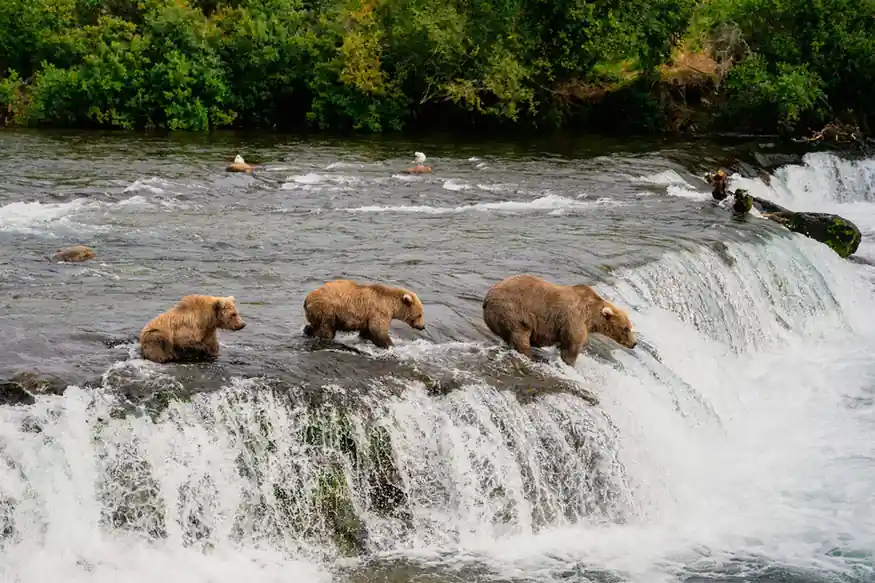
A map showing Brooks Falls does not show permission to fish. Review the park’s current fishing and wildlife instructions, transport arrangements, and any additional closure before considering this destination.
Fly Fishing for Salmon in Alaska: DIY vs Guided Trips
For fly fishing for salmon in Alaska, a self-guided trip and a remote fly-out trip can target the same species while requiring different levels of planning. For fly fishing for salmon in Alaska, compare not just the advertised price, but what you can legally reach, who manages transportation, and what happens if a river cannot be fished.
| Trip style | Best fit | Main advantage | Main drawback |
|---|---|---|---|
| Road-based DIY | Confident anglers with verified public access | Flexibility and control over daily plans | You handle rules, access, and safety |
| Guided walk-and-wade | New anglers or unfamiliar fisheries | Local advice on conditions and methods | Availability and cost |
| Guided float | Anglers targeting a river section by boat | Access to water beyond typical bank reaches | Boat rules, weather, and booking constraints |
| Remote lodge or fly-out | Wilderness-focused anglers | Organized transport and specialized logistics | Higher cost and weather dependence |
Questions to Ask Before Booking
Ask a guide or lodge: Which exact water will we fish? What species are realistic during these dates? Does the trip use fly-fishing methods, or is it a general salmon fishing package? Are rods, waders, and terminal tackle provided? What licenses and stamps must guests buy? What is the cancellation and weather-delay policy? Is an alternate river available if an emergency order changes the plan?
ADF&G requires applicable annual sport-fish guide, business, and vessel registrations. Kenai River guiding may require additional state-parks registration. Confirm credentials and permissions; do not assume a listing on a booking website establishes regulatory compliance.
When DIY Makes Sense
A road-based trip can be appropriate if you can identify legal access, read the regulations, manage wading risk, and adjust to a new closure. Beginners may benefit from a guided first day even if they fish independently afterward. A guide is not mandatory for all legal Alaska salmon fishing, but the value rises when river knowledge or transportation is the limiting factor.
If you are still choosing between Alaska and another fishing vacation, FlyFishingScout’s best fly fishing destinations guide compares different types of fishing trips by species and season.
Fly Fishing for Salmon in Alaska: Gear and Flies
A packing list should reflect the species, fly or terminal rig, and water, not the word Alaska alone. For fly fishing for salmon in Alaska, a lighter single-hand outfit for pinks or modest coho in open water is a different tool from a heavy king-salmon rod or a long two-handed setup for broad river swings.
Rod, Reel, and Backing
A suitable 7- or 8-weight may work for certain pink or coho situations; larger salmon, strong current, wind, and heavier flies can justify 9- or 10-weight tackle or an appropriate two-handed system. These are practical ranges, not mandatory species-based rules. Use a reel with smooth drag and enough actual backing capacity for the chosen fly line and fishery.
Floating, Intermediate, and Sinking Lines
Floating lines offer useful control for many near-bank presentations. Intermediate or sinking lines and tips can help in deeper or faster water. Match the line to the rod’s casting design—especially with Spey heads—and to the legally permitted presentation. If rigging from scratch, FlyFishingScout’s fly fishing line setup explains the backing-to-fly sequence.
Flies and Method Rules
Streamers, leech-style patterns, and other salmon flies have different uses depending on species and water. In some sockeye fisheries, anglers use fly-fishing equipment in ways that differ from a fish willingly taking a retrieved streamer. The fact that the tackle looks like fly fishing does not make every presentation legal. Learn the exact permitted hook, weight, and retention rules, and do not deliberately foul-hook fish.
Clothing and Remote Travel Essentials
Pack layers for rain and wind, a wading jacket, suitable boots, a wading belt, polarized glasses, a landing tool where allowed, and secure storage for food and fish. Cold water deserves caution even on warm days. For fly-outs, ask about aircraft baggage limits, dry-bag requirements, communication arrangements, and provided gear before packing a second full outfit.
Alaska Salmon Fishing Regulations and Emergency Orders
When planning fly fishing for salmon in Alaska, the most important legal distinction is between a seasonal fish run, a regulation booklet’s normal provisions, and an emergency order currently controlling that water. The last may change or override the others.
Licenses and King Salmon Stamps
ADF&G states that Alaska residents 18 or older and nonresidents 16 or older generally need a sport-fishing license. A king salmon stamp is generally required for anglers targeting king salmon, including catch-and-release, except for applicable exemptions and certain stocked lakes. Some anglers also need a harvest record card. Review your own age and residency category instead of relying on another angler’s license requirements.
Closures, Hooks, and Retention
The Kenai River’s 2026 early-run king salmon closure ran May 1–June 19, and its 2026 late-run closure ran June 20–August 15 for the specified waters. Both prohibited targeting king salmon, including catch-and-release, during those periods. The 2026 Kasilof rules differed and included location-specific restrictions. These dated examples show why you cannot carry one river’s rules across the peninsula—or assume 2027 rules are already known.
ADF&G also defines special restrictions for designated fly-fishing-only waters, including fly weight, hook gap, and placement of added weight. Do not assume a legal rig in an unrestricted fishery is legal in a fly-only reach. Fish hooked illegally or outside the mouth may be subject to mandatory release and other rules; check the exact water and the applicable regulation text.
A Five-Minute Legal Check
Before each fishing day, identify the management area and river section. Open the current sport-fishing regulations. Review emergency orders for that area and species. Verify open dates, lawful methods, hooks, bag and possession limits, any special access closure, and required recording. If rules conflict or you cannot determine whether a method is permitted, stop and contact the appropriate ADF&G Sport Fish office.
Avoid planning a king salmon trip around a license or stamp alone: paying a fee does not reopen a closed fishery.
Fly Fishing for Salmon in Alaska: Seven-Day Trip Planning
A seven-day itinerary can provide flexibility, but seven consecutive fishing days at one spot may not be the best use of a first visit. This sample is an illustrative Kenai Peninsula travel structure, not a set of confirmed reservations, open seasons, or promised fishing locations.
| Day | Practical plan | Decision to make |
|---|---|---|
| 1 | Arrive, collect supplies, inspect equipment | Verify orders, weather, and booked arrangements |
| 2 | Guided orientation or first lawful DIY session | Learn access and tackle restrictions |
| 3 | Fish the primary species in an open section | Adapt to water level and actual fish movement |
| 4 | Visit a second verified, legal water | Compare conditions rather than repeat unproductive tactics |
| 5 | Flexible fishing or rest/weather day | Avoid forcing unsafe conditions |
| 6 | Return to the best lawful opportunity | Check any new emergency updates |
| 7 | Pack, clean gear, and depart | Record harvest where required and leave no waste |
For fly fishing for salmon in Alaska, booking one or two flexible fishing days matters more than squeezing a fixed activity into each morning. Arrange transport and lodging near your chosen region, allow time for driving, and do not count on making a cross-state fishing transfer without planning for flights.
If you plan the Situk instead, build around Yakutat transport and local access. If you plan Bristol Bay, follow the lodge or operator’s actual transfer schedule rather than copying a Kenai road-trip itinerary.
Before You Pay a Deposit
Confirm the exact target species, likely run period, refund terms, whether fishing methods match your expectations, transportation responsibilities, wader/gear provision, and contingency options. For a broader comparison of U.S. trip timing, see FlyFishingScout’s best fly fishing destinations in the US.
Alaska Salmon Trip Safety and Fish Handling
Cold rivers, shifting gravel, swift water, and large wildlife are genuine factors in fly fishing for salmon in Alaska. Before wading, study the current and test the bottom from safe ground. Wear a wading belt and suitable footwear, and do not cross a river because another angler appears to have managed it. If a current or depth is beyond your ability, stay out.
Bear safety requires more than carrying a canister of spray. Keep food and fish secure, remain alert, make your presence known when appropriate, and follow local park or forest instructions. At Brooks River, NPS requires anglers to stop fishing when a bear approaches within 50 yards and to remove tackle from the water. This is a park-specific rule, not a universal distance statement for all Alaska waters.
Use equipment strong enough to avoid deliberately prolonged fights. Handle fish with wet hands, keep them in the water where possible, and follow rules for releasing or retaining fish. Don’t leave fish remains or food where they can attract bears; follow the disposal requirements for the place you’re actually visiting. Remote trips also call for weather contingencies and a reliable way to contact help.
Fly Fishing for Salmon in Alaska: FAQs and Final Checklist
What Month Is Best for Salmon Fly Fishing in Alaska?
There is no single month for fly fishing for salmon in Alaska. July often matters for sockeye on the Kenai Peninsula; late summer can be useful for coho on the Situk and other rivers. The best week must match the species, drainage, and legally open season.
Can Beginners Fish for Alaska Salmon Without a Guide?
Yes, where lawful access exists and the angler can manage the water and rules. A guided introduction can still help with river orientation, fly-rod methods, safe wading, and local regulations. Remote rivers are much more complicated to organize independently.
Will the Kenai River Be Open for King Salmon in 2027?
Do not assume so. The relevant early- and late-run king fisheries were closed during their specified 2026 periods. Check ADF&G’s 2027 booklet and emergency orders when available before planning any king-focused fishing.
Is the Kenai River or Situk River Easier to Plan?
The Kenai Peninsula often offers more road-based choices for travelers already in Southcentral Alaska. The Situk is near Yakutat and has official descriptions of bank and float access, but getting to Yakutat and arranging transport are separate tasks. Neither river is automatically open or suitable for every target species.
Do I Need a King Salmon Stamp?
Generally, anglers targeting king salmon need a king salmon stamp in addition to applicable licensing, with defined age, residency, and stocked-lake exemptions. A stamp does not permit fishing in a closed waterbody.
Does Using a Fly Rod Make Any Salmon Method Legal?
No. Fly-fishing-only designations, hook placement, added weights, allowable gear, and snagging restrictions vary. Check the current rules for your exact fishing section. Do not deliberately snag fish.
First Alaska Salmon Trip Checklist
- Choose one primary salmon species and one or two realistic river options.
- Check official run timing and distinguish it from the legal season.
- Review current ADF&G regulations and emergency orders.
- Confirm lawful public access, guide arrangements, and transport.
- Match rod, line, fly or permitted terminal gear to the actual fishery.
- Prepare for bears, cold water, weather changes, and safe fish handling.
- Keep a backup fishing day or alternative lawful water.
The best approach to fly fishing for salmon in Alaska is to build the vacation around a fish that is likely to be present and legal to target. Select a species, narrow the drainage, verify the rules, and choose a trip style that fits your experience. Then leave room for the conditions Alaska gives you rather than promising yourself a fixed result.
References
- Alaska Department of Fish and Game — Sport Fish Run Timing
- Alaska Department of Fish and Game — Alaska Peninsula Fishing Information
- Alaska Department of Fish and Game — Northern Kenai Area Fishing Report and Seasonal Guidance
- Alaska Department of Fish and Game — Situk River Sockeye and Coho Fishing Opportunities
- Alaska Department of Fish and Game — Kenai River Early-Run King Salmon Closure (2026)
- Alaska Department of Fish and Game — Kenai River Late-Run King Salmon Closure (2026)
- Alaska Department of Fish and Game — Corrected Kasilof River King Salmon Regulations (2026)
- Alaska Department of Fish and Game — Sport Fishing Licenses and King Salmon Stamps
- Alaska Department of Fish and Game — Statewide Sport Fishing Gear Rules
- Alaska Department of Fish and Game — Southcentral Alaska Emergency Orders
- Alaska Department of Fish and Game — Sport Fishing Guide and Business Registration
- Alaska Department of Fish and Game — Sport Fish Guide Requirements
- National Park Service — Fishing Brooks River, Katmai National Park
- National Park Service — Fishing in Katmai National Park
- Alaska Department of Fish and Game — Bristol Bay Sport Fishing Report, September 14, 2026